keepitgreen.be
ENG

Platform for soccer and golf course managers.
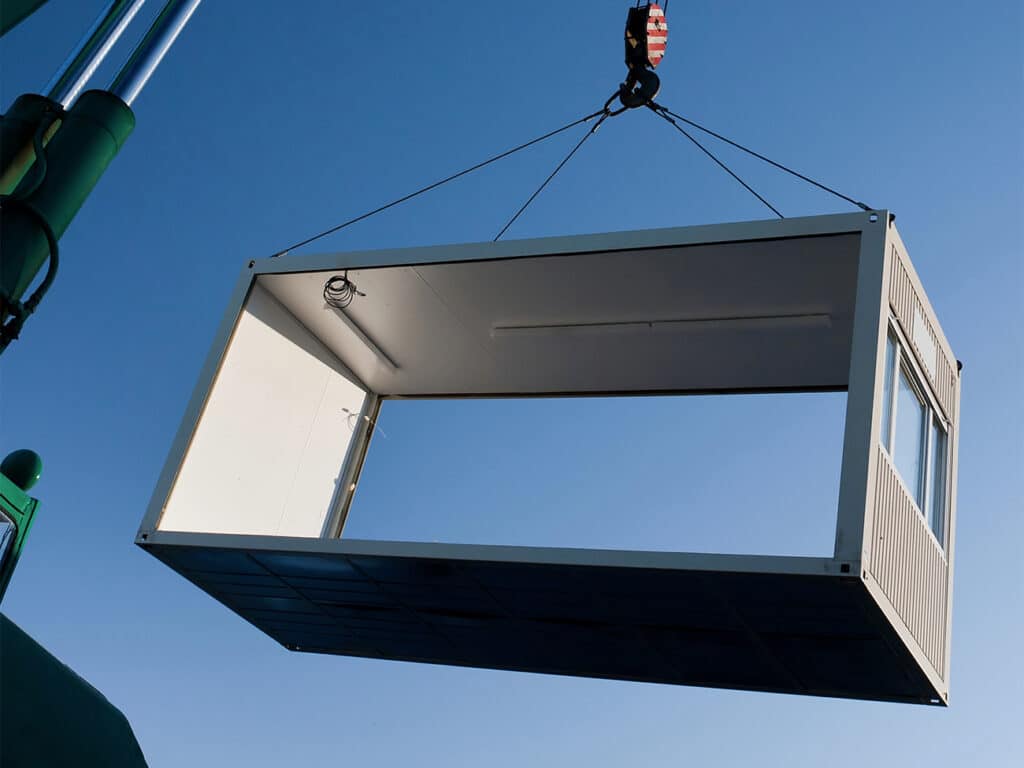
The Flemish Construction Confederation is pleased with the announced regulatory simplification for installing temporary care units. Not only does this meet the wishes of many elderly and care-dependent people to remain in familiar surroundings for longer, it also encourages the efficient use of scarce available space. Under the new regulations, it is sufficient to comply with the notification requirement, which means that it is no longer necessary to apply for an environmental permit. The Flemish government recently gave its final approval to the draft decree, which is now before the Flemish Parliament for a vote.
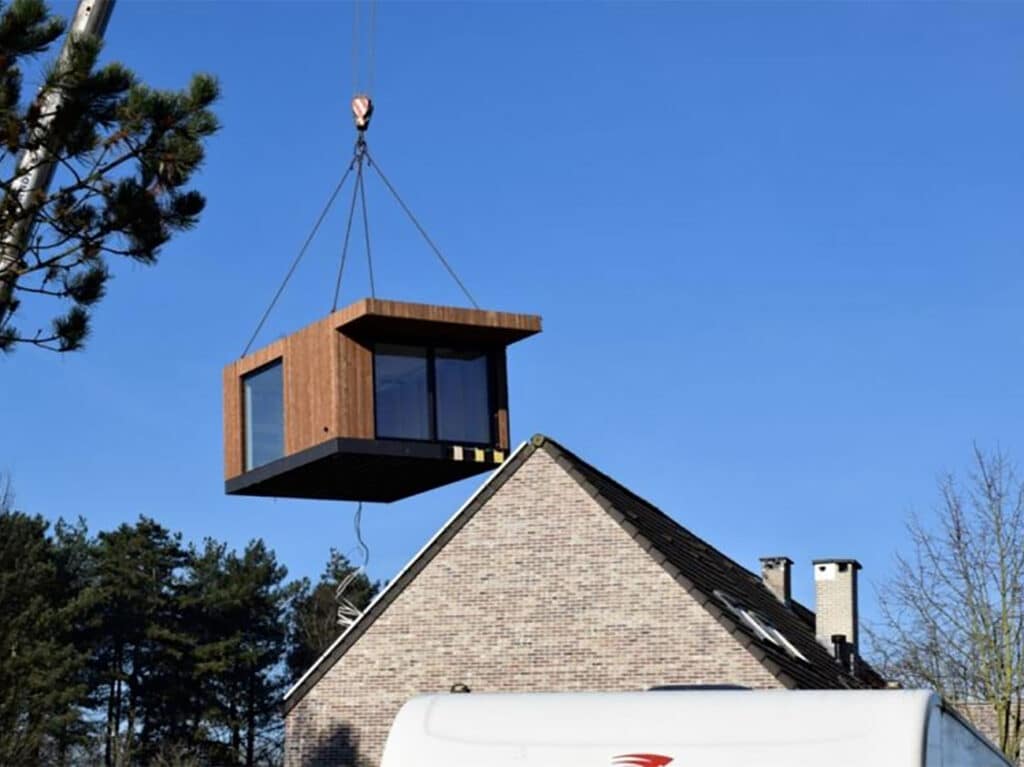
Until now, there were no specific regulations in spatial planning for the placement of mobile units as temporary care homes. The only possibilities were to use such units to provide shelter to asylum seekers, refugees, and citizens whose homes had become uninhabitable due to unforeseen circumstances. In addition to the Scandinavian countries, the Netherlands can also be seen as a guiding country, as care units have been able to be placed there without a permit for some time.
With this new regulation, the Flemish government is ensuring the necessary uniformity. Until now, it has not been standard practice in every municipality to install a mobile care unit. In a number of cities and municipalities, such as Hasselt and Zemst, residents in specific care situations are encouraged to install a temporary, mobile unit, for example in their garden, so that they can provide informal care in a family atmosphere, often allowing the person in need of care to remain in their own neighborhood. The city council of Ghent is even running a pilot project to get the people of Ghent excited about the concept with a ‘show home’. But most municipalities were hesitant because of the regulatory uncertainty.
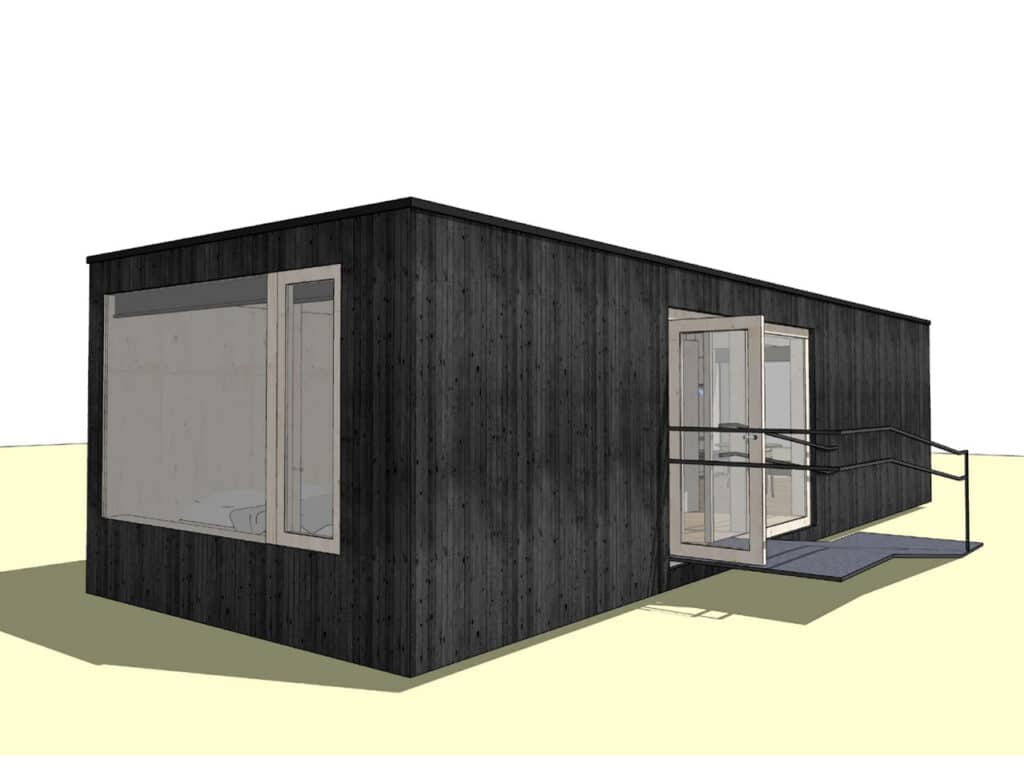
Such a mobile care unit has many advantages. For example, it ties in with the trend toward increasingly automated prefabrication of building elements within the construction industry. This means that the installation of such a prefabricated, customized unit is quick. In addition, the unit is temporary in nature and can be moved; and, above all, the person in need of care can remain in his or her familiar environment. Moreover, it is a separate living unit, which is a major asset in the current coronavirus crisis and in the interest of social distancing. Furthermore, demographic developments in Flanders require increasingly creative solutions to optimally meet the needs of an aging population. In general, older people are increasingly postponing the move to a care facility. In addition to a temporary care unit, households can still consider making adjustments to their existing home to meet new needs. The creation of modular spaces that can be quickly adapted to changing needs is becoming increasingly important in new construction projects.