keepitgreen.be
ENG

Platform for soccer and golf course managers.
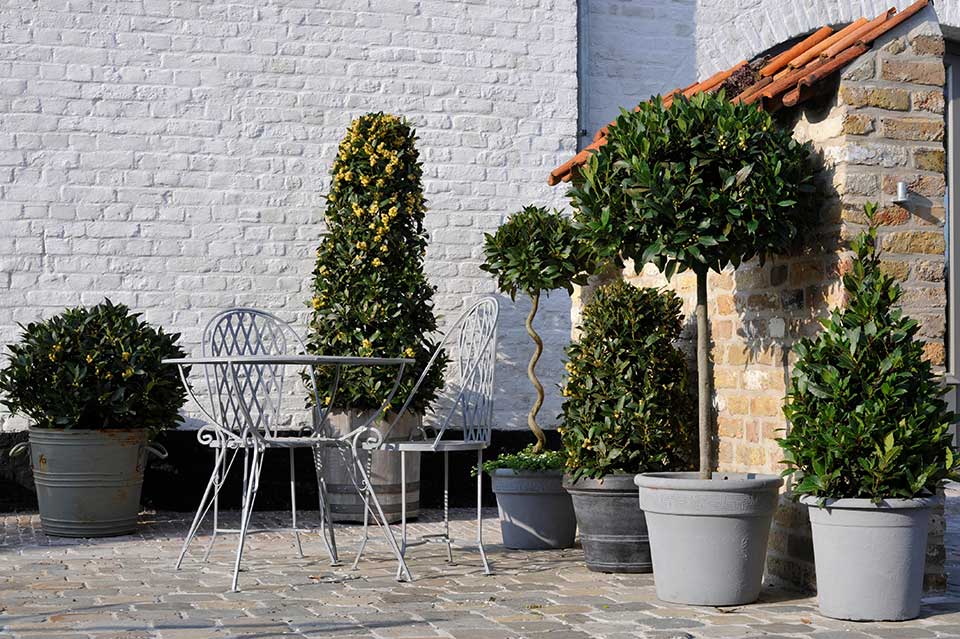
Thanks in part to Laurica Plants' many years of effort, laurel has become a stylish and attractive feature in British-inspired gardens, on summer terraces, and at atmospheric, luxurious events.
Laurel has long been used in classic English gardens, whether informal cottage gardens or larger landscaped park gardens. Certain varieties are used in low, loose plantings or for more formal elements that provide structure and an evergreen accent in the garden, even in winter.
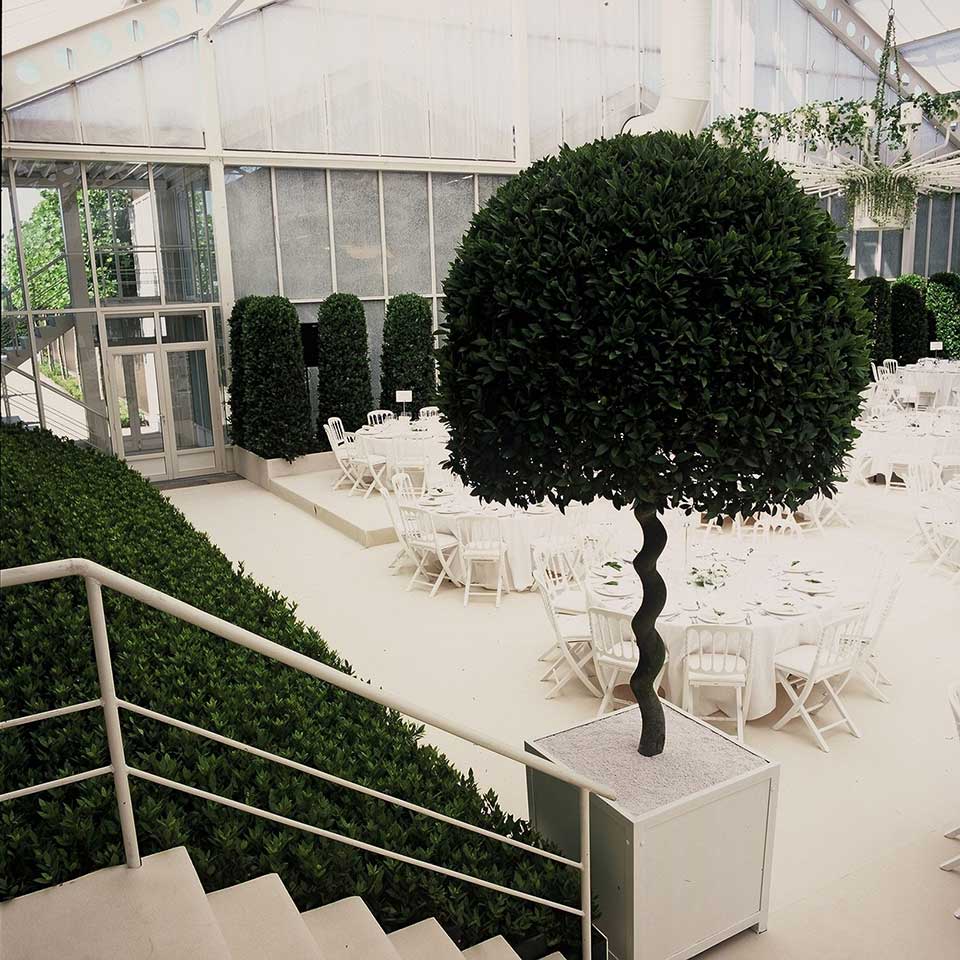
However, laurel is at its best when grown as a tree or topiary in a container. They add stylish accents to terraces, but are equally at home on outdoor steps, gravel beds, along footpaths, or planted in rows like proud sentinels leading to the front door. The possibilities are endless. They also add a festive touch to receptions and other events.
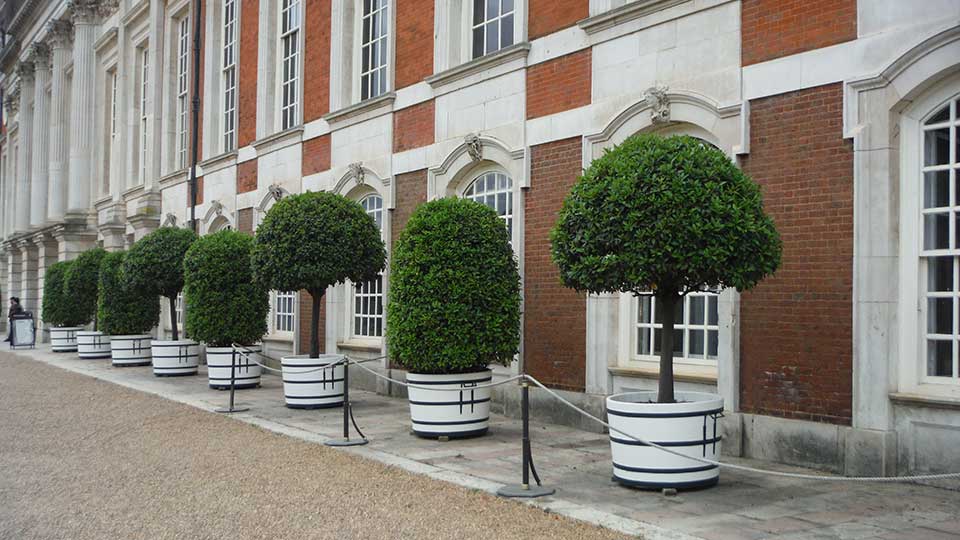
Laurica Plants cultivates its plants with care in the best conditions and with the utmost attention. The range is particularly extensive, ranging from small kitchen varieties to impressive specimens on stems up to 3 meters high. The various pruning styles available are extremely attractive and fit perfectly into the atmosphere of ‘topiary’, an art form in itself, which the British love. In every English garden, large or small, you will find a beautifully pruned laurel.
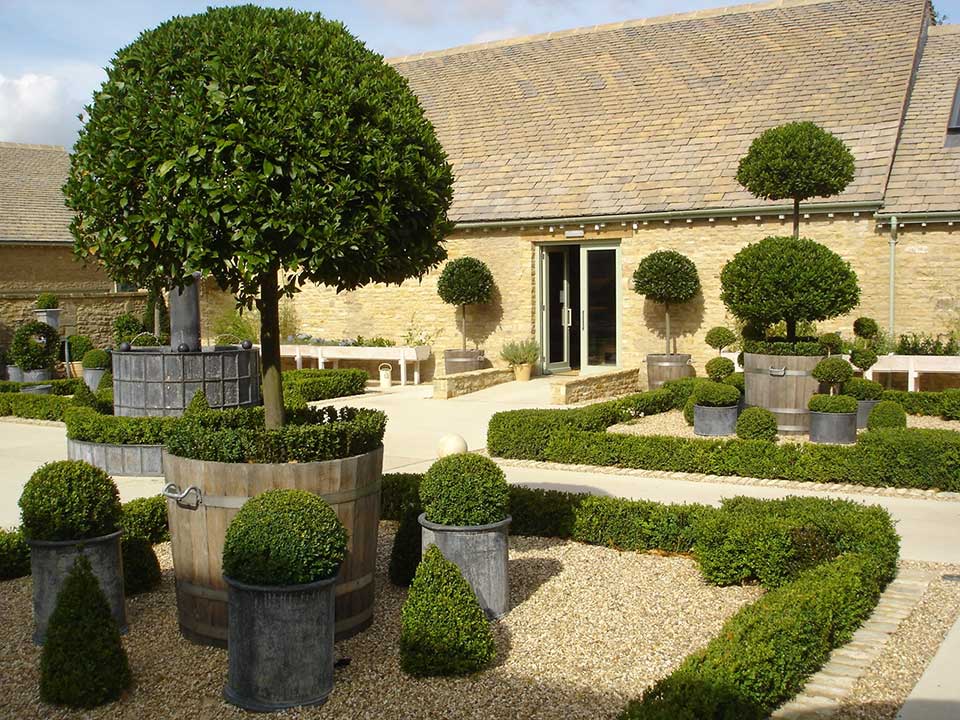
Laurica Plants supplies plants pruned into pyramid shapes, cone shapes, or as balls on stems, among other shapes. These versions can be described as classic and formal. More imaginative shapes are also available, such as plants on twisted or braided stems, columns on stems, or imperial crowns. In a classic, low spherical shape, they are an attractive and resistant alternative to the endangered boxwood.
Every laurel plant that leaves the company proudly bears the orange Laurica label, which guarantees excellence through rigorous quality control and advanced cultivation techniques. In addition, this label also contains numerous practical and valuable care tips.
Furthermore, each new plant is grown from a cutting. Such plants may grow more slowly, but they are much more uniform in terms of leaf size, shape, and aroma. In addition, they develop a more compact root system, which makes them feel more comfortable in pots or tubs and also makes them more suitable for strict topiary pruning.
Growing laurels is a time-consuming and labor-intensive activity. For example, weeds are still meticulously removed by hand. Prior to delivery, each pot is washed again, a final pruning takes place, the pots are watered one last time, and the trunk is given extra protection for transport.
Most plants only leave the company after seven to eight years. Some laurel trees on the estate are even more than a hundred years old. An annual and equally time-consuming ritual consists of bringing all the plants indoors by November 1, after which they are only placed outside again in the spring. During the winter period, they are pruned into shape and trimmed regularly during the summer. This guarantees absolute uniformity of the plants, which are available in sizes that vary by 5 to 10 centimeters.
All these efforts result in the best quality and the most beautiful shapes, allowing every garden or outdoor space to be given a timeless and stylish accent.