keepitgreen.be
ENG

Platform for soccer and golf course managers.
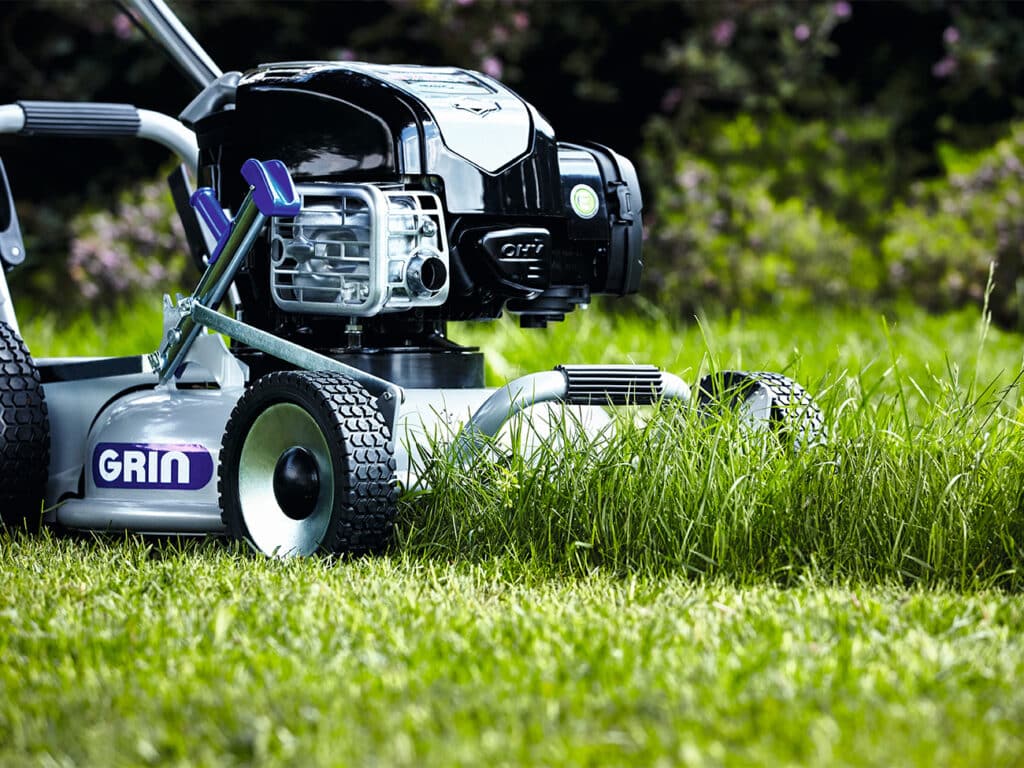
Or even fully automated robots? After all, lawnmowers can also contribute to minimizing our ecological footprint. In most cases, the catch-up movement in terms of performance is still ongoing. But the sustainability of the material and the way we mow also play an important role.
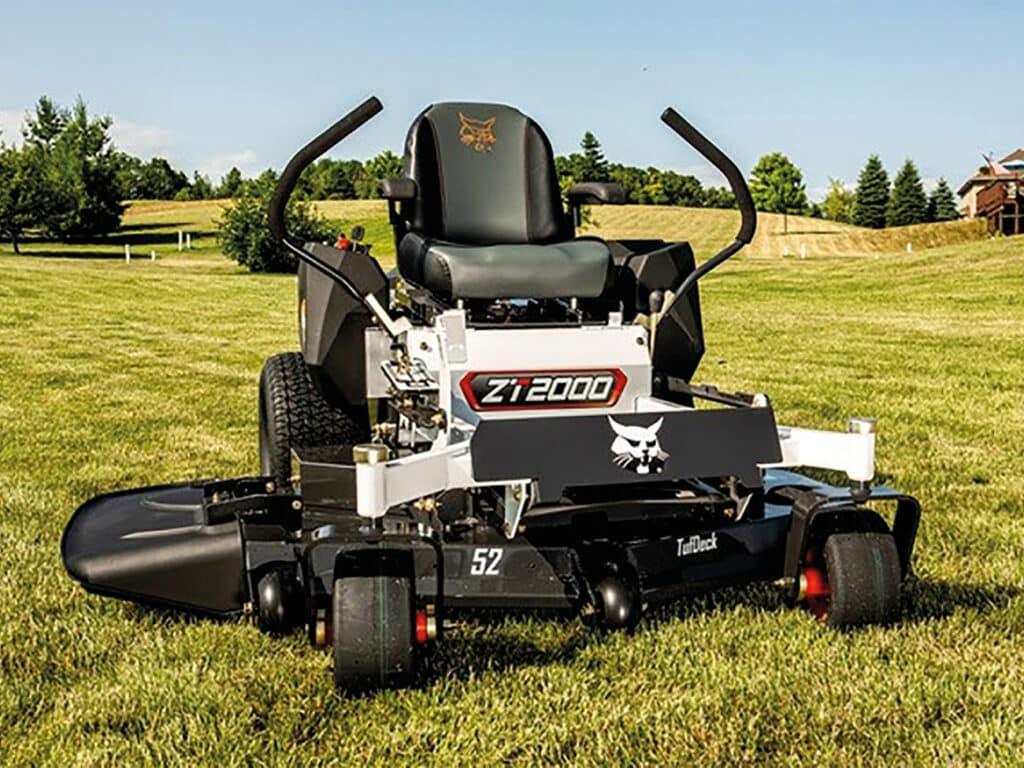
Some swear by the ‘modern’ and innovative robotic lawn mower, while true purists still cannot be dissuaded from using the push mower/rotary mower. There are advantages and disadvantages to both.
With a robotic lawn mower, time savings are obviously a factor, because the mower does its rounds all by itself. The garden is also maintained on a constant basis. There are mowers that operate up to 20 hours a day. The grass is not cut all at once, but a few millimeters at a time. For garden owners without green fingers, such a mower is the best invention since the wheel.
There are some significant disadvantages to a robotic lawn mower. If the grass is too long or wet, you can forget about it. It will get stuck every few minutes. The mower will also stay safely tucked away if its rain sensor detects a drop of rain. It also doesn't mow efficiently, so you won't be able to achieve a Wimbledon-style lawn. Finally, because a robotic lawn mower takes much longer to get the grass completely cut, the blades and other moving parts need to be replaced more often.
You should choose a circular mower if you want more control over the appearance of your lawn. This mainly refers to the cutting height of the grass, but also the running lines. Many gardening enthusiasts still swear by straight lines, regardless of the fact that these same running lines increase the efficiency and therefore the lifespan of the mower. In terms of durability, robotic mowers last up to four times less than their walk-behind and ride-on variants.
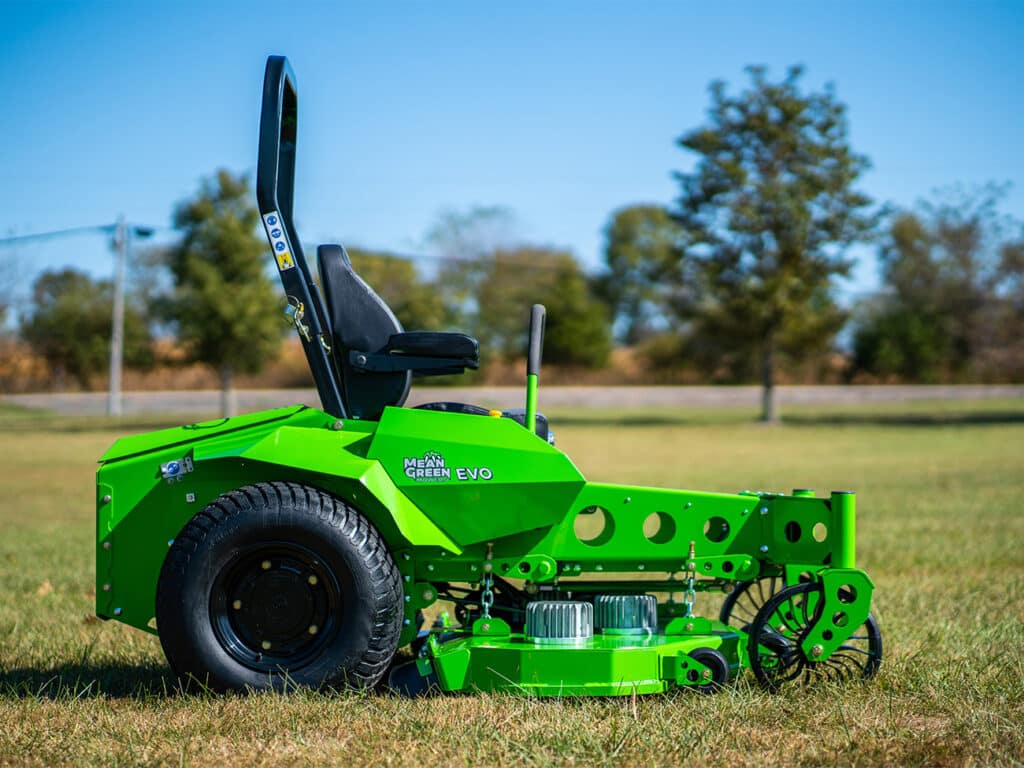
It is no longer a secret that fossil fuels have a significant impact on the environment and are partly responsible for global warming. Without going into too much detail and pitting supporters and opponents against each other, there is the reality of the economy: ‘Green sells’. Over the past year, people have rediscovered the outdoors and want to keep their green spaces looking perfect. Preferably without further harming the environment. So, are battery-powered lawnmowers the answer?
Yes. And no.
Batteries have been catching up rapidly for years. Some brands now openly advertise that their battery-powered models are on par with fuel-powered models. Or even surpass them. Both in terms of power and capacity. In terms of power, there are battery-powered mowers on the market that can handle long and wet grass.
But fossil fuels have also undergone their own evolution. Diesel, in particular, is no longer the evil polluter it was often portrayed as in the past. There are models on the market that—if you take into account the production method and waste pile of batteries—are less harmful to the climate than their lithium/ion counterparts. And finally, LPG is also making a real comeback, influenced by the American market. The first affordable and high-performance gas-powered mowers are taking their share of the European market. Clean!
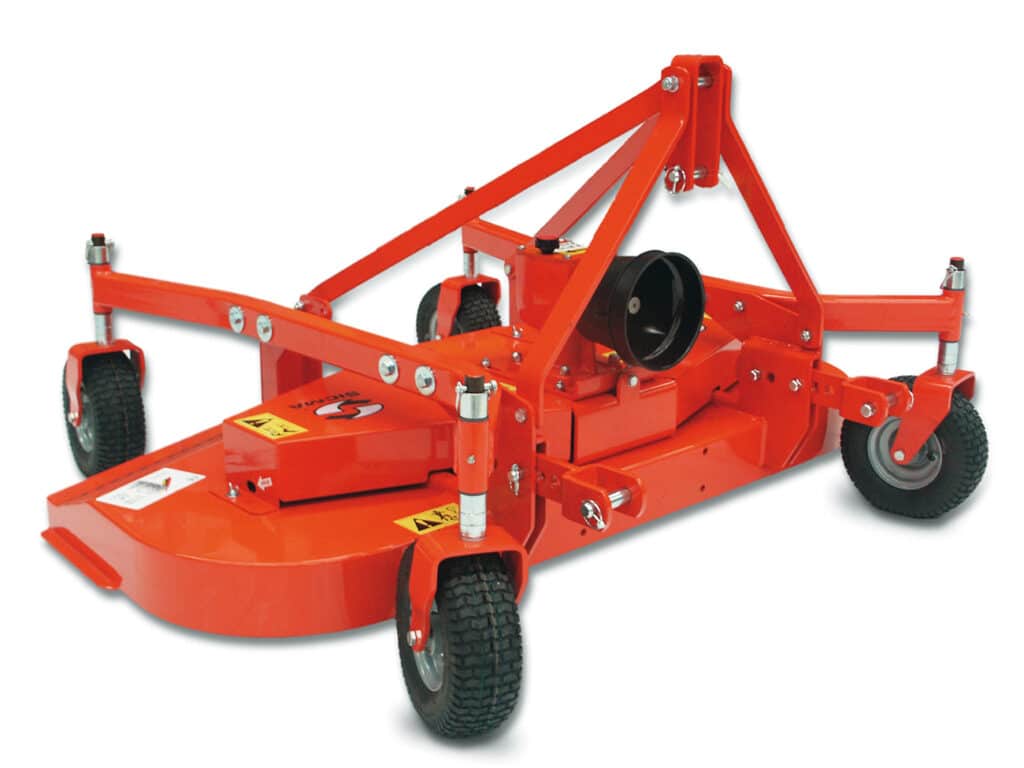
The era of the hand mower is most likely behind us for good. Except for a few baby boomers and vintage enthusiasts, almost no one still lugs around a manual push mower. Certainly not when entire lawns or golf courses need to be mowed. And what do you do with those mountains of cut grass?
Mulching is one of the solutions. The word ‘mulching’ comes from English. Mulch is a layer of organic material that you spread over the soil. Mulching mowers are equipped with blades that chop the grass finely before spreading it over the lawn. This provides effective green manure at no cost and with no effort.
Other brands, however, are not so convinced about mulching, because the decomposition of grass can sometimes take weeks or even months. This creates a layer on top of the grass that prevents water absorption and blocks access to nutrients and sunlight. That is why a counterpart was created that literally turns grass into dust and returns it to the soil as fertilizer.
But whatever technique you use, collecting grass clippings is slowly becoming a thing of the past. No more lugging around collection bins and bags, but above all, no more waste!