keepitgreen.be
en

Platform for the management and construction of sports and golf courses
Communicating to make the right choices
Maintaining a golf course is by no means a sinecure. To meet the climate challenges, technical requirements and pesticide-free management of golf courses, the greenkeeping profession has changed in recent years. Marc Thiebaut, head of Devillers’ golf division and former chairman of the Greenkeepers‘ Association of Belgium, takes us into the world of greenkeeping in 2023.
Marc Thiebaut trained as a greenkeeper in France. After gaining experience on several golf courses, he joined the Hulencourt golf club in 1996. Since 2022, he has been in charge of the golf department within Devillers, specialising in the construction and maintenance of lawns and turf.
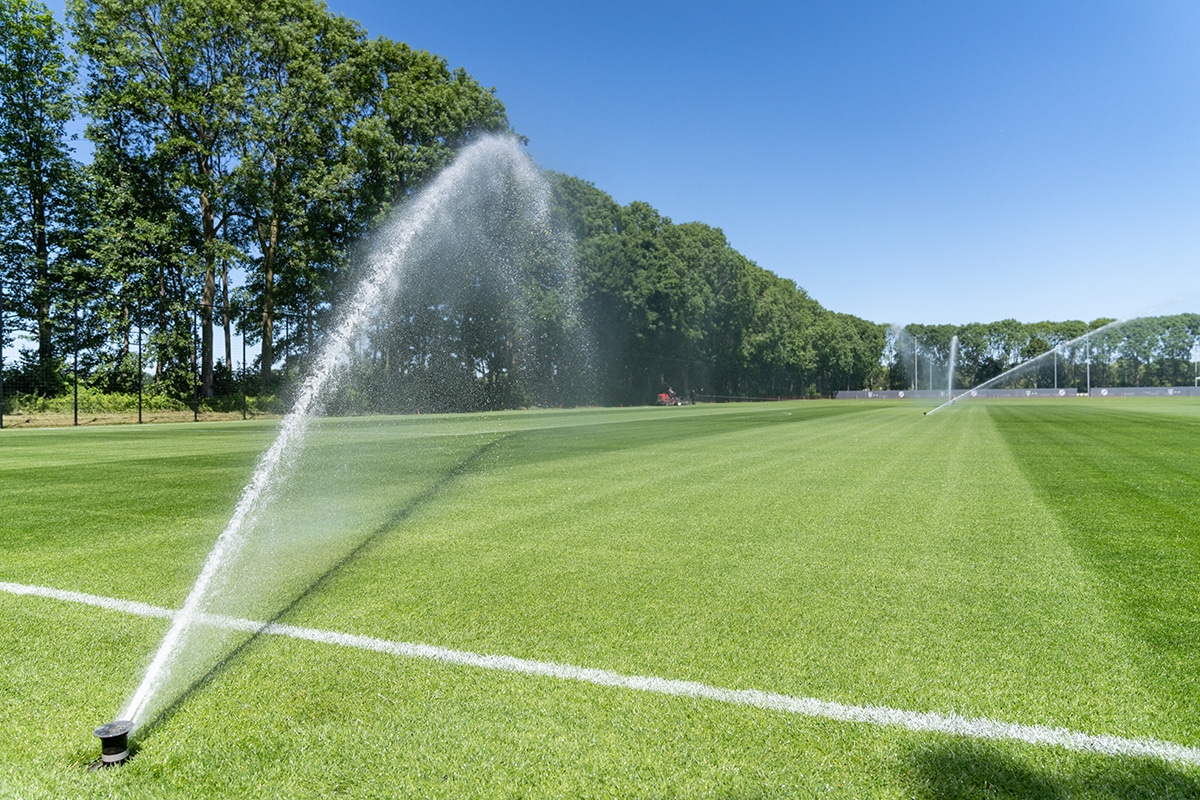
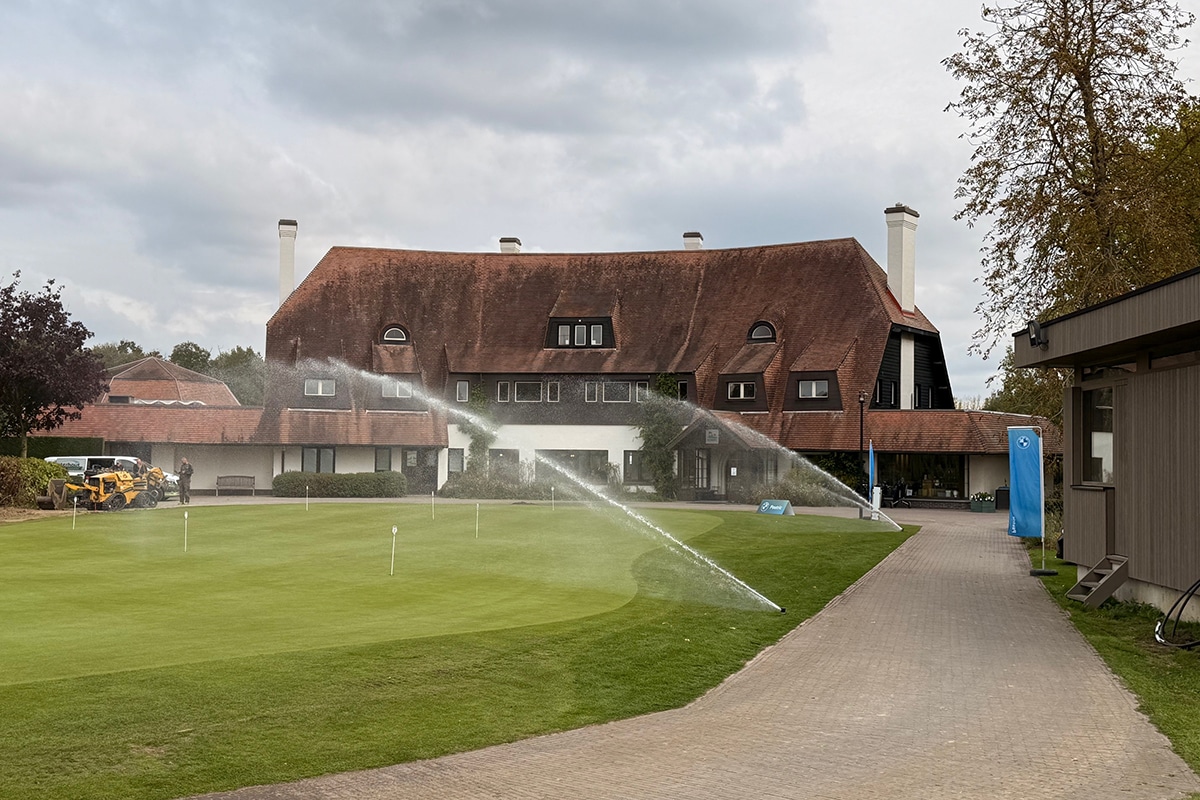
He says the increasing focus on water management is one of the most striking evolutions in recent years. “With year after year dealing with increasingly frequent and longer heatwaves, we need to look at water management in a different way,” he says. Restrictions on irrigation can no longer be ruled out. At the same time, we need to switch to grasses that are more resistant to drought and disease. In addition, rainwater harvesting has also become an important issue. Initiatives to encourage biodiversity are certainly laudable, but they also have consequences. Ponds should no longer be constructed only for purely decorative reasons, but they should also have a practical function as rainwater buffers. In periods of drought, water can then be pumped up from the pond."
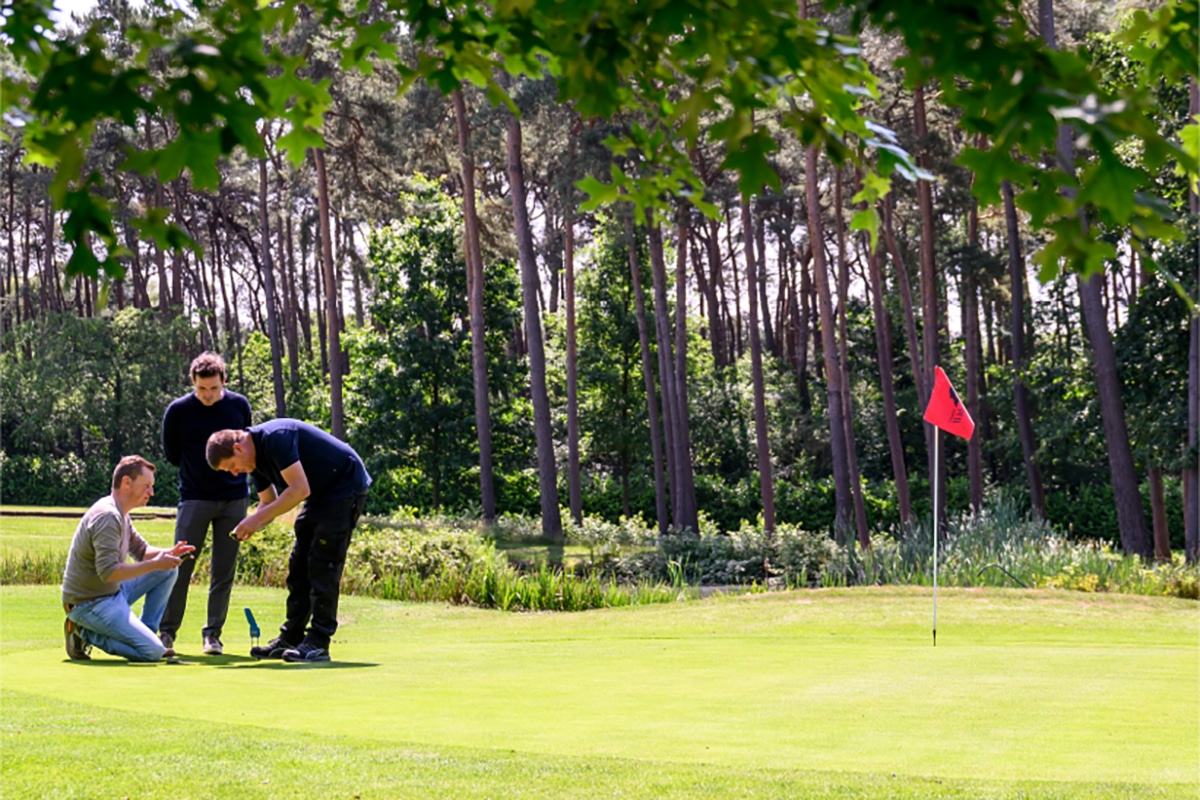
The ban on spraying with plant protection products has revolutionised the way golf clubs can maintain their grounds. One of the most tangible consequences is that it has become more difficult to control diseases. Therefore, more preventive work is needed. “The future of our planet is at stake. In this sense, the ban on the use of pesticides is an ideal opportunity to rethink our approach. The greenkeeper has to monitor the grass of the golf course more closely today. Whereas ‘sick grass’ used to simply be treated, today we need to create the best conditions to prevent the grass from getting sick. One way to do this is by choosing more resistant grass varieties, and by adding natural products such as amino acids and liquid fertilisers.”
“This new approach requires quite an adjustment. Imagine if drugs that have proven their efficacy were suddenly no longer allowed to be used to treat a serious disease. In that case, you have to look for alternatives, and that involves a lot of testing, on a large scale. However, we greenkeepers are not labs, we are users. We need support in this area. However, our federation cannot do it alone, the big companies should also contribute. However, we cannot ignore the fact that the golf sector is not on the same footing as the agriculture sector in terms of importance,” it sounds with some bitterness.
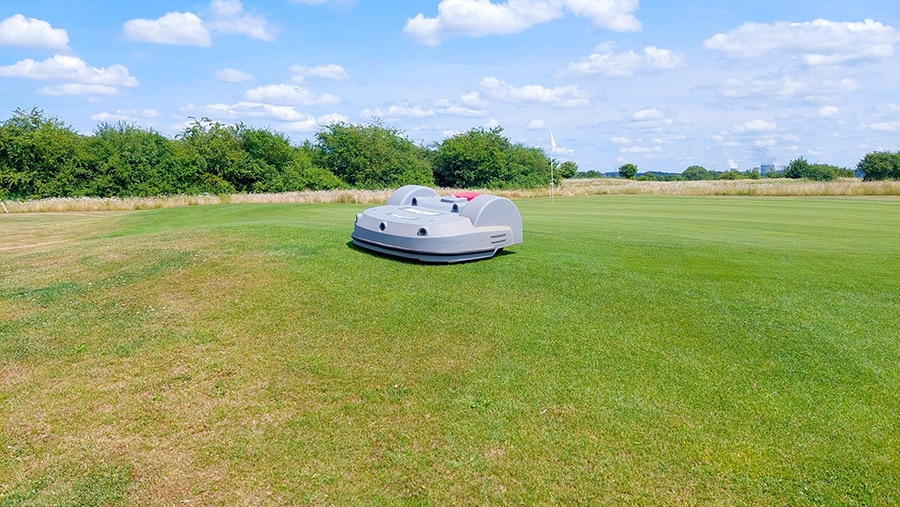
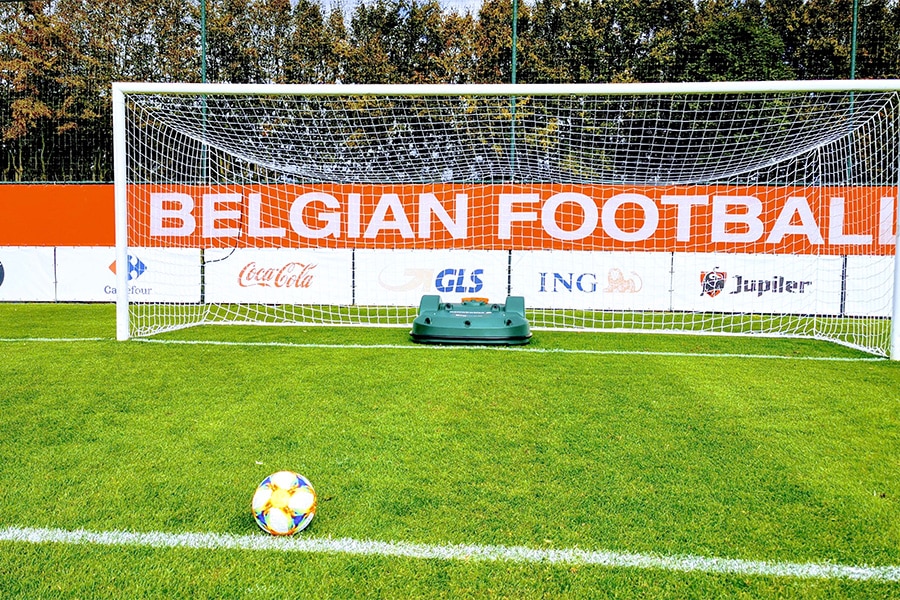
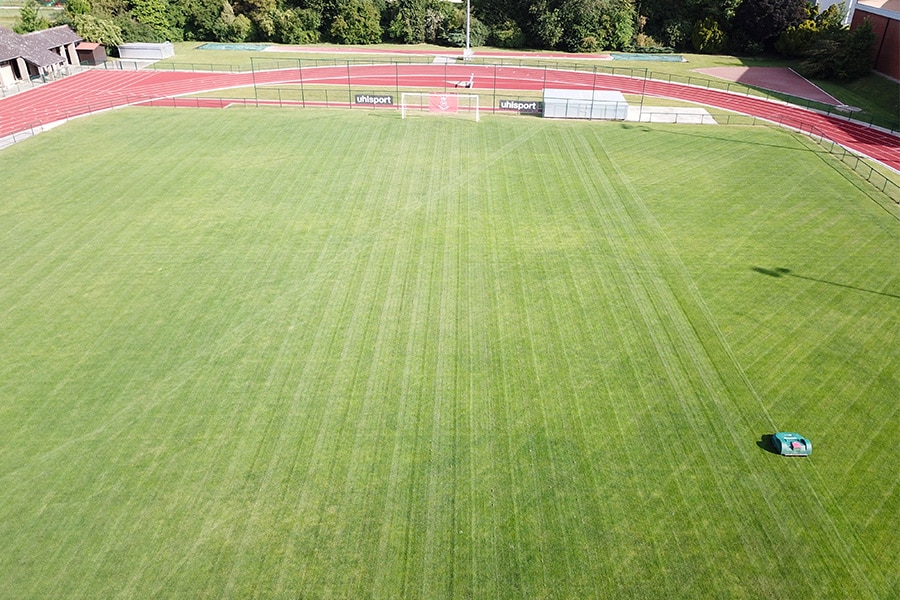
Marc Thiebaut also sees positive developments, such as robotisation. “Both in terms of cost and efficiency, the use of robotic mowers offers undeniable added value. Robots are not meant to replace humans, but they can help humans. For example, they can mow large areas more finely, without human intervention. This frees up time for the greenkeeper to manually overseed the greens, for example.
The robot thus becomes a complement to humans. Meanwhile, at the Naxhelet golf club, where I am responsible, we use robotic mowers from Belrobotics on the driving range and practice area, and on holes 10 and 18 of the golf course, among others. That saves us a huge amount of time.”
Please contact us directly at Yamabiko.
 Contact us
Yamabiko Europe is a Belgian subsidiary of Yamabiko. Yamabiko, headquartered in Japan, is a leading multinational in the Japanese and US markets with a growing presence in Europe, Asia and other countries. Yamabiko manufactures and markets hand-held outdoor machines, agricultural machines, industrial machines and Robots. www.yamabiko.eu/nl www.belrobotics.com/nl-be www.echorobotics.com/nl-be
View Company Profile