Transcript
[00:05] Podcast introduction
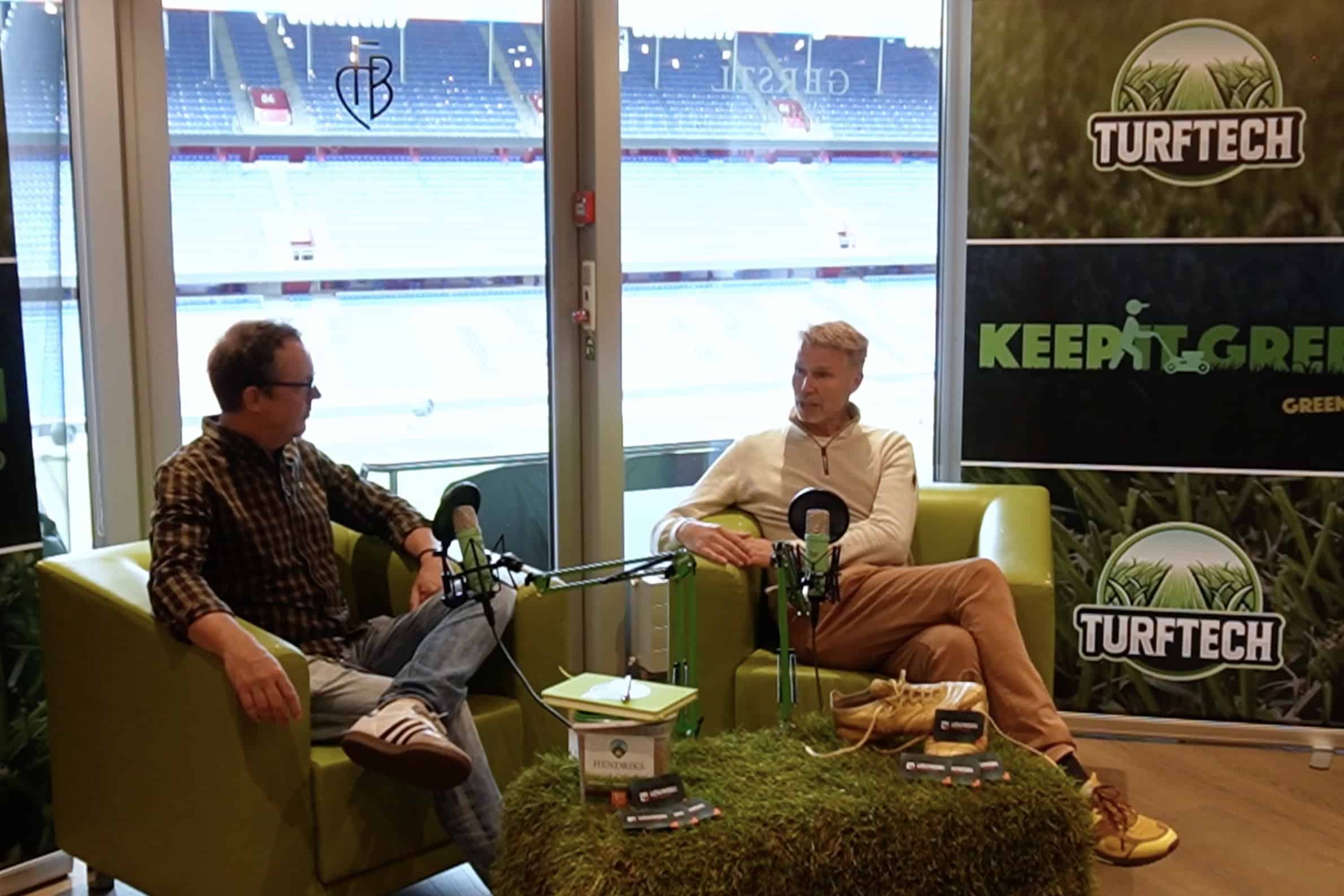
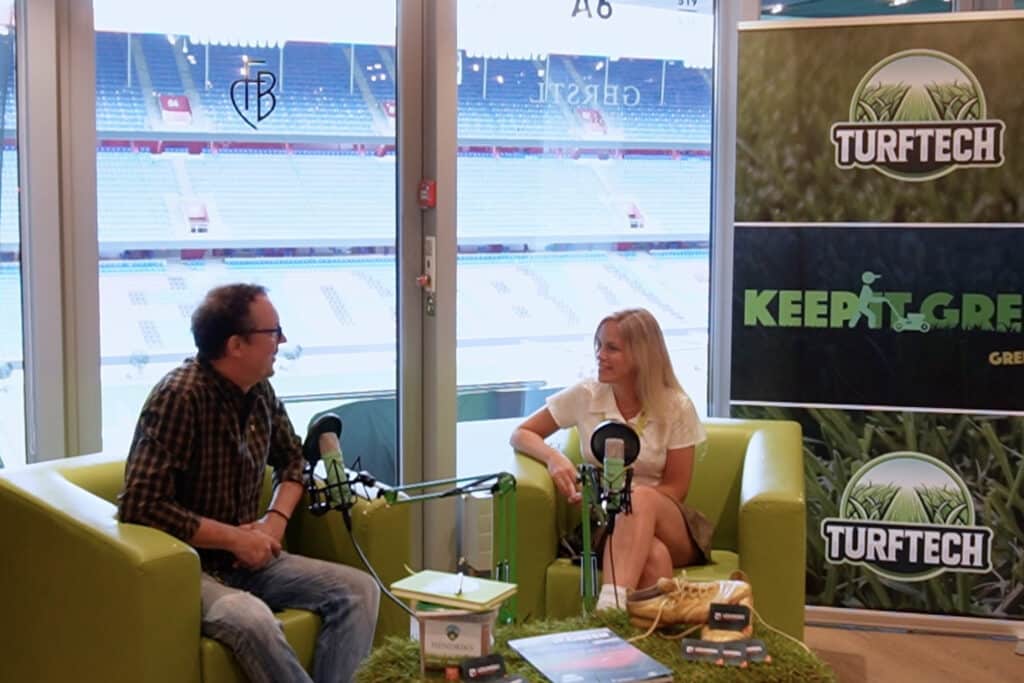
Kris Vandekerckhove: So hi Kate. Hello. Welcome. You're at the podcast from Keep It Green. We like to think one of the leading magazines in the groundsmen and groundswomen and greenkeepers area. And I would like to ask you a couple of questions.
Kate Finlayson: Of course.
[00:27] Who is Kate Finlayson in the world of turf
Kris Vandekerckhove: So Kate, who are you and what is your deal in this world?
Kate Finlayson: In the world of turf.
Kris Vandekerckhove: In the world of peat. Are you a turf wizard? Oh I am the turf fairy. The turf fairy. Yeah so I have been named apparently. It is really the nickname. Oh my gosh.
[00:53] From agriculture to sports turf
Kate Finlayson: Yeah. I originated - my career started in agriculture, plant science and sustainability really. So consulting with growers about using less pesticides, environmental issues and sustainability. And I've moved through lots of different fields - agriculture, horticulture, flowers - and then happened upon turf a couple of years ago actually, only just. So now I help to consult in lots of different countries on sports turf doing almost the same thing - so looking at how we can make running professional sports turf more sustainable and a bit more environmentally friendly. And yeah I just think there's so much technology that we can pick up from other industries and bring across into turf. It's really fascinating to be able to see the whole picture across all the different spectrums of technology and cross-pollinate ideas.
[01:54] What is a “silicon sister”?
Kris Vandekerckhove: Yeah okay so I read that you are like a silicon sister yes so for the non-turf geeks what's your explain it to my dad version of that what silicon actually does.
[02:09] How silicon strengthens plants
Kate Finlayson: Of course yeah so as I said I'm plant biologist background and what we're always looking to do obviously to minimize the use of fertilizers pesticides is to make the plant really healthy and strong to start with. If you get a strong plant it needs far less maintenance, far less input through the growing season and that's the same for peat. And one of the really interesting elements that you can use to do that is silicon. And obviously it's not something you think that would work particularly on a living plant but actually every plant needs silicon to reinforce its structures. A little bit like concrete in a building. It really sort of strengthens it up.
[02:46] Research and benefits of silicon
Kate Finlayson: So I started researching on silicon about four years ago with the role I'm doing now and it's just been fascinating the benefits that you can see from using it. It's not really readily available in soil so if you can supplement it to turf it really strengthens up that burn. It reduces the disease levels you see, it reduces the nutrient inputs that you have to put in because it helps to draw more nutrition into the turf and it just reinforces the structure so it helps with playability and bounce back after matches and things like that. So it's been really interesting actually seeing how many benefits we see with those particular elements.
[03:31] Projects and football clubs
Kris Vandekerckhove: And where can we see a project that you're particularly proud of? Where could we see that, a turf, a pitch that we all know?
Kate Finlayson: Oh naming names is a bit dangerous isn't it.
[03:54] Working with top clubs
Kate Finlayson: I'm really privileged in that a lot of the groundskeepers from some really high-tiered clubs in the UK have sort of welcomed me in and given me access to what they're doing what their challenges are and they've run some sort of trial programmes for me and been really supportive. Particularly I have to say John Ledwidge - Manchester City - has been amazing for me he's helped me with all my questions he's run trials on site for me and I'm just so appreciative for that.
[04:22] Different results each season
Kate Finlayson: But nowadays lots and lots of clubs and it's actually really great to just pop in and say what are you seeing what results are you seeing and I always get a slightly different answer. This year it's been they're greener when it's dry. So on the training grounds they're using it to try to help keep water in there. And obviously in previous seasons that's not been a challenge so that's not really come up as feedback but this year that's been the main result so year on year you see different benefits depending on the growing season.
[05:00] First step to implement silicon
Kris Vandekerckhove: And what is the what would in your words be the first step that groundsmen and groundswomen can do to incorporate your system.
Kate Finlayson: I mean in my view it's really simple. Because it acts like a fertiliser you can essentially use it as a spacer between certain applications so look to reduce maybe your nitrogen down a little bit and add some silicon into your programme and it'll just sort of slow down that up the growth and toughen up the root structure and the peat or just add it in maybe once a month once every two weeks and just look for those differences. And I think actually feel for them because you can really feel it in the texture of the peat and the stability. And once you start to see the differences you can kind of tailor your programme around what you want to get out of it and what you want to see.
[05:58] Sustainability and ecological benefits
Kris Vandekerckhove: And how does it translate in like because nowadays it's all about durability it's all about the ecological stuff in the world how does it translate to that.
Kate Finlayson: So it's I would say it's one of the most crucial materials in terms of making your growing more sustainable and more ecologically friendly. So applying silicon as a foliar spray helps the roots to take up more nutrition from your soil media whether that's grass or hybrid or soil whatever it is. It mobilises more of those nutrients and that is liquids or granular. So we all know you put down granular and a lot of it gets washed through especially on high input pitches so it will really help to slow that process down and I think that that is key because it is an ongoing challenge we don't want to just compile in the nitrogen fertilizers when we don't need to.
[07:03] A common myth about silicon
Kris Vandekerckhove: Okay one last question what is a myth in your business that you really would like to get rid of.
Kate Finlayson: I would say the question I get asked the most is isn't it just sand isn't it everywhere already.
[07:20] Not all silicone products are the same
Kate Finlayson: And that is reasonable because obviously silicon takes so many different forms from sand to jelly to microchips. But actually it's such a diverse range of products and they're all very different in how they work so we get a lot of clients who use things like potassium silicate or diatomaceous earth so they think that that's it's all the same and the answer is it isn't it's getting the right product so that it's actually available to the plant and making sure you get those benefits that you're looking for.
[07:55] Closing the conversation
Kris Vandekerckhove: All silicones are not the same let us let this be the title of this podcast.
Kate Finlayson: Perfect.
[08:18] End of the recording
Kris Vandekerckhove: What is your plan here for it for the next couple of days in TurfTech thank you very much for well taking this maiden trip with me.
Kate Finlayson: Yes yeah thank you so much.
Kris Vandekerckhove: And we will see each other I think in the next couple of days more than enough I hope I will not be drinking too much from nerf stuff.
Kate Finlayson: No worries no worries.
Kris Vandekerckhove: That's it.
REEL
[05:12] I mean in my view it's really simple. Because it acts like a fertiliser you can essentially use it as a spacer between certain applications.
[05:27] So look to reduce maybe your nitrogen down a little bit and add some silicon into your programme and it'll just sort of slow down the growth and toughen up the root structure and the turf. Or just add it in maybe once a month once,
[05:41] every two weeks and just look for those differences. And then actually feel them because you can really feel it in the texture of the turf and the stability. And once you start to see the differences, you can kind of tailor your program around
[05:53] what you want to get out of it and what you want to see.