keepitgreen.be
en

Platform for the management and construction of sports and golf courses
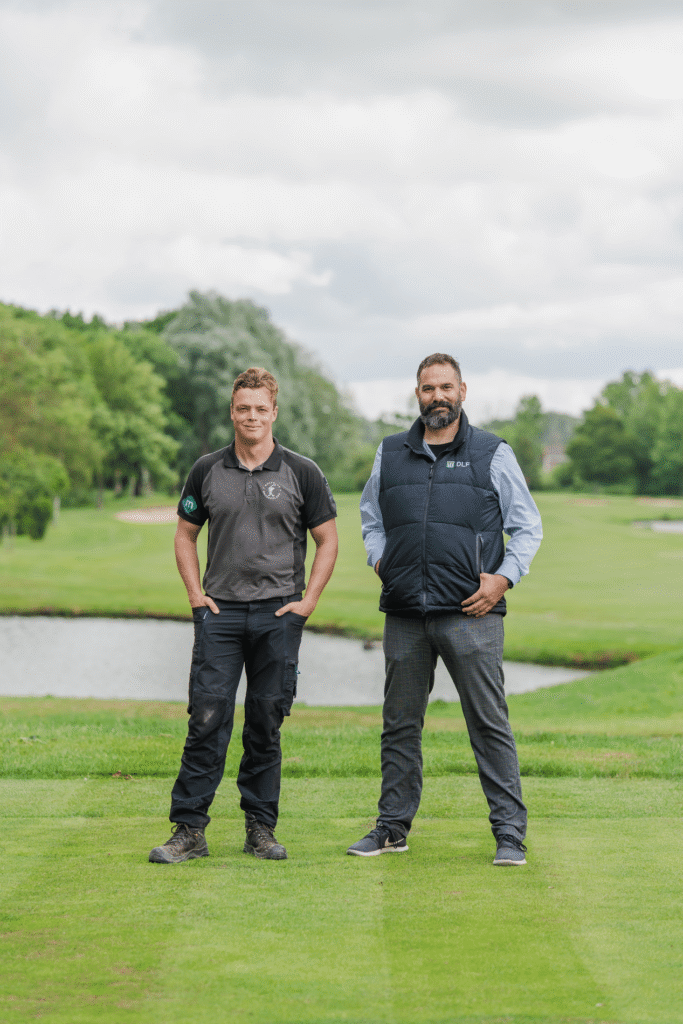
“On a golf course, every detail counts”
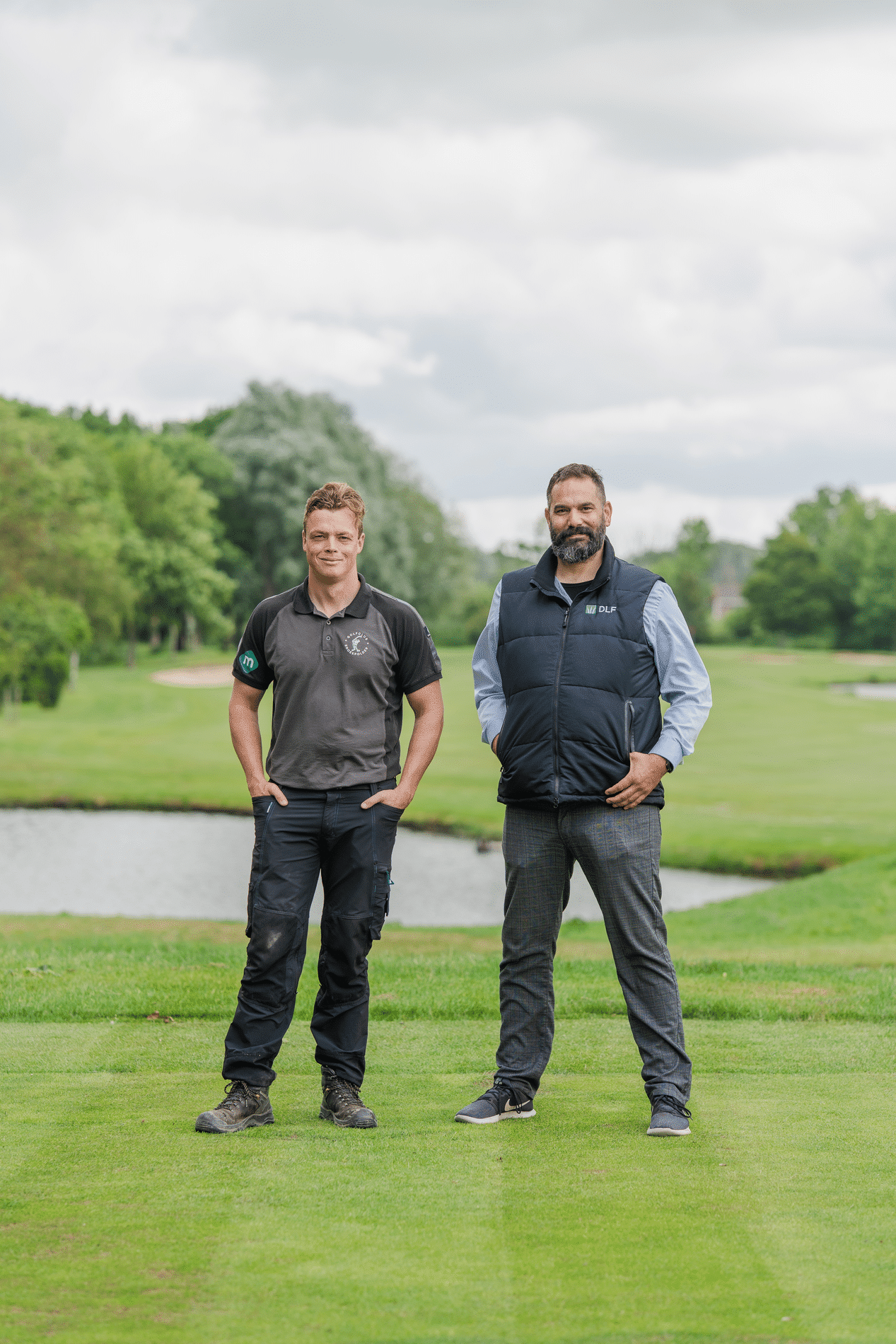
When Golfclub Broekpolder in Vlaardingen appointed a new head greenkeeper in February 2026, the brief was clear. Following a full golf course renovation completed in 2023, the club’s management had its heart set on hosting a major tournament in 2030. “Such an ambition requires attention to even the finest details”, explains Milan den Dikken. “But above all, it takes time.” Step by step, and with a firm focus on long-term results, he is now working to restore all eighteen holes to peak condition.
Den Dikken comes with a pedigree. Before joining Golfclub Broekpolder in February, the new head greenkeeper spent fifteen years working for contractor AHA de Man. He started out at Golfbaan Bentwoud, where Kees Ijsselstein showed him the ropes, after which he worked as a head greenkeeper for seven years, at De Hoge Dijk in Amsterdam among others. As a participant in The Ohio State Program, he also worked at a few major golf courses in the United States. “I learnt a great deal about what it takes to build towards a big event in the US”, he says. “The maintenance philosophy over there, however, isn’t one to emulate. Everything gets chemically suppressed, and in the end they simply paint the course green. You won’t see that happening here. A pristine presentation matters, but a dense and resilient turf is our number one priority.”
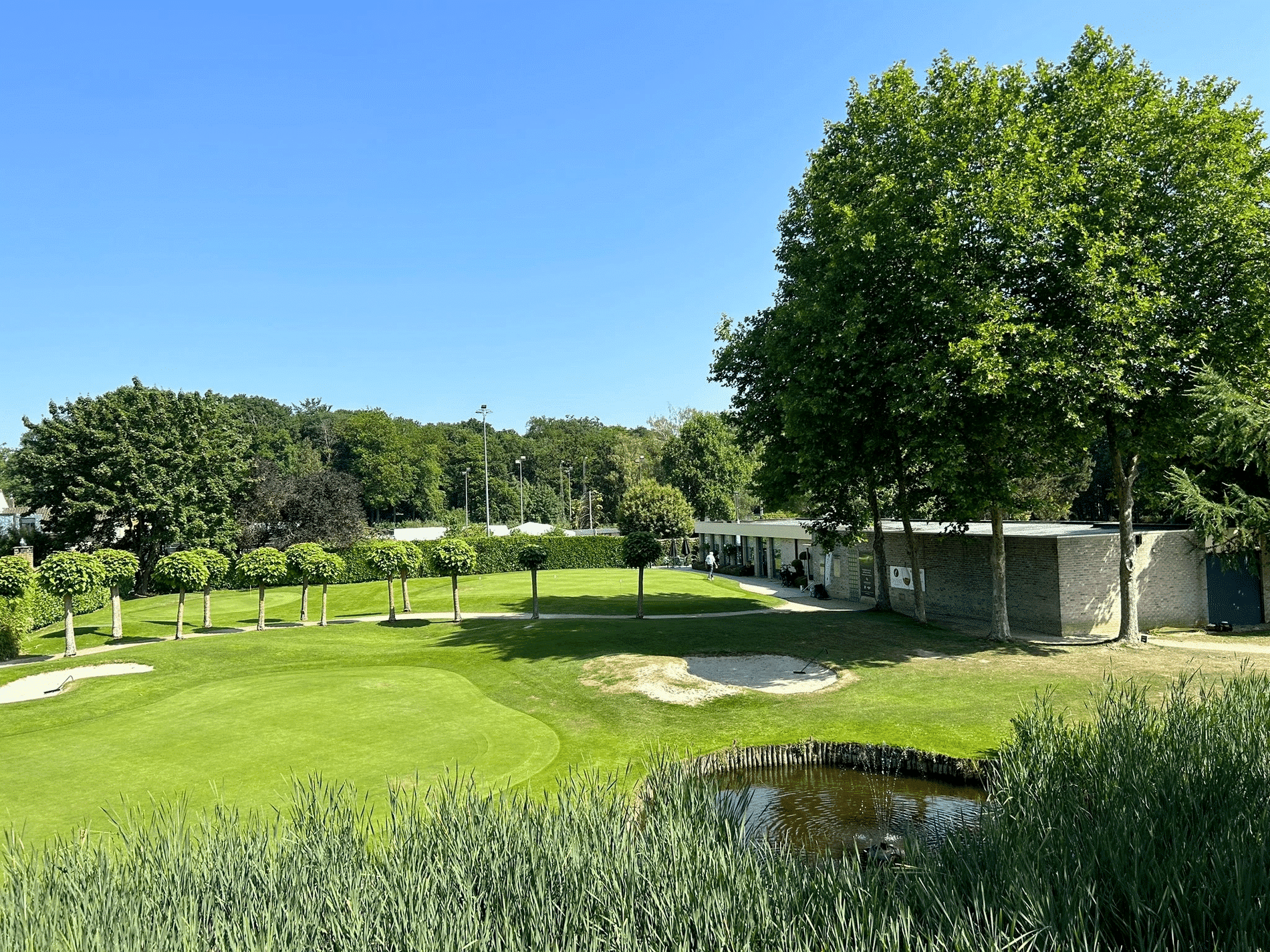
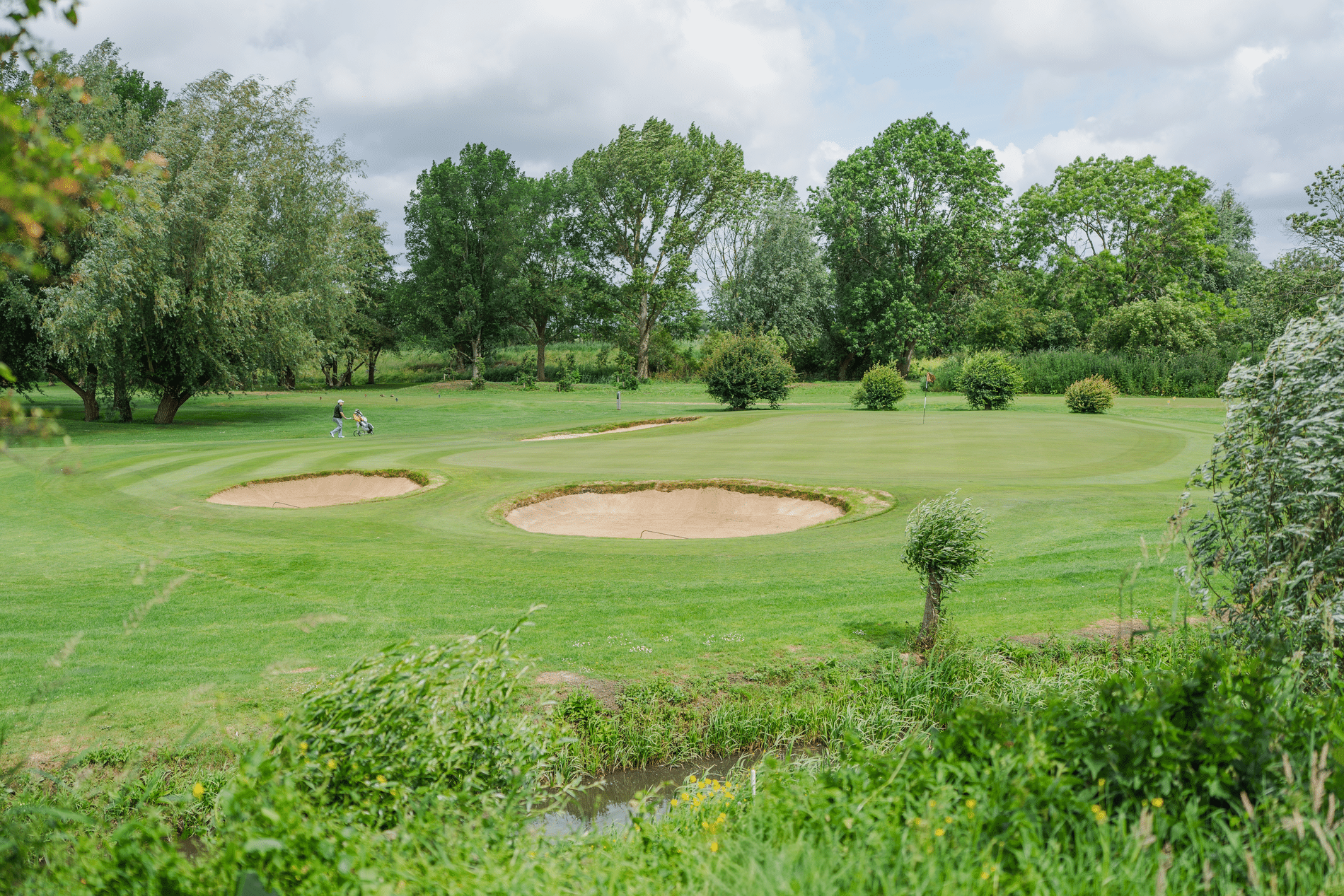
Between 2021 and 2023, Golfclub Broekpolder underwent a complete renovation. Golf course architect Frank Pont delivered a new design, and all eighteen holes were seeded with DLF grass seed mixtures. Den Dikken: “The expectation at the time seemed to be that a renovation would immediately produce a top-quality course, but of course it doesn’t work that way. Due to the absence of fairway irrigation, among other things, it needed a different approach. Both the greens and fairways had significant bare patches, and because of the limited moisture control, we were competing with moss, weeds and Poa annua.”
Den Dikken’s recovery plan centres on overseeding with the right varieties. On the greens, where there’s noticeable pressure from Poa annua, the head greenkeeper is working closely with DLF to find the right grass variety for a long term solution. On the fairways, the focus will shift from Kentucky bluegrass (Poa pratensis) towards perennial ryegrass (Lolium perenne). “We want a fine-leaved variety that’s strong enough to compete with what’s already there”, den Dikken explains. “That said, we’re holding off on overseeding until the fairway irrigation is installed. Once that’s installed, we’ll have the moisture control we need, as well as the capacity to do some serious sand topdressing.”
The new maintenance philosophy is deliberately measured. Nitrogen inputs have been scaled back, granular fertilisers have been swapped for small, precise doses of liquid feed and any spraying is kept as targeted as possible. Next year, Den Dikken hopes to introduce a spot sprayer, so as to eliminate unnecessary applications. Meanwhile, mowing heights have been raised. “This turf has been under pressure for some years now. We want to give it a chance to recover. Only when it’s back in good health will we bring the mowing height back down.”
“Like many young greenkeepers today, Milan den Dikken understands that you can’t fix everything in a single season,” concludes Erik Dolstra, recreational turf specialist at DLF. “Grass needs time. You steer it gradually, patiently, and you look for the right balance. That commitment to long-term turf health and durability is the hallmark of a new generation of greenkeepers – and ultimately, it’s what produces courses worth playing today and tomorrow.”
Please contact us directly at DLF BV.
 Contact us
Het beste gras voor sport, recreatie en veehouderij DLF is wereldmarktleider in graszaden voor sport, recreatie en veehouderij. Met een marktaandeel van 50% in Europa en 30% wereldwijd is de kans groot dat het gras waarop je geniet in je tuin ingezaaid is met ons graszaad. Als je van sport houdt dan heb je waarschijnlijk […]
View Company Profile