keepitgreen.be
en

Platform for the management and construction of sports and golf courses
Sustainable site management starts below the surface
Waterlogging in winter, prolonged droughts in summer and increasingly extreme weather conditions in between. These are challenges faced daily by managers of sports pitches, golf courses, equestrian arenas and public green spaces.
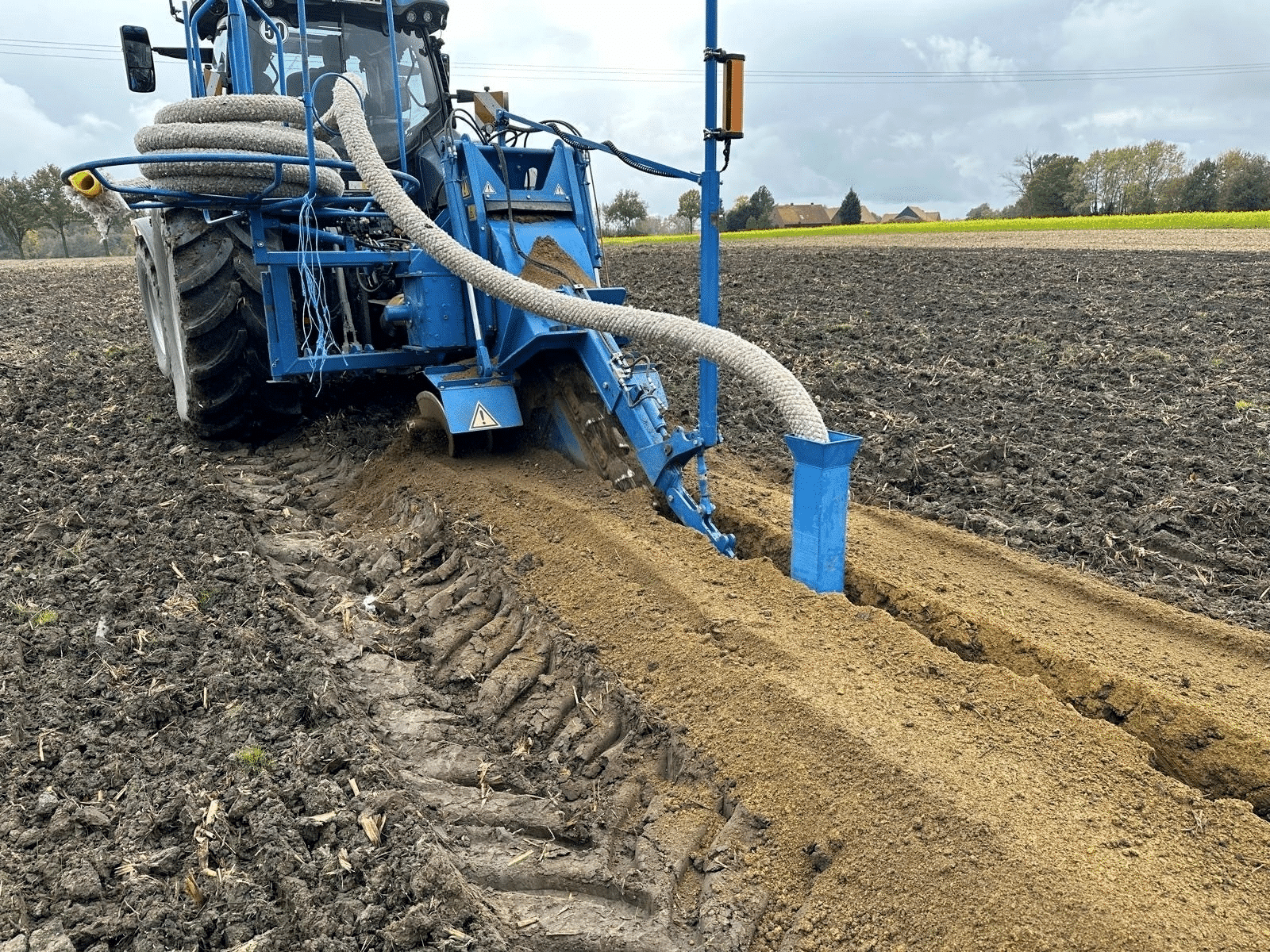
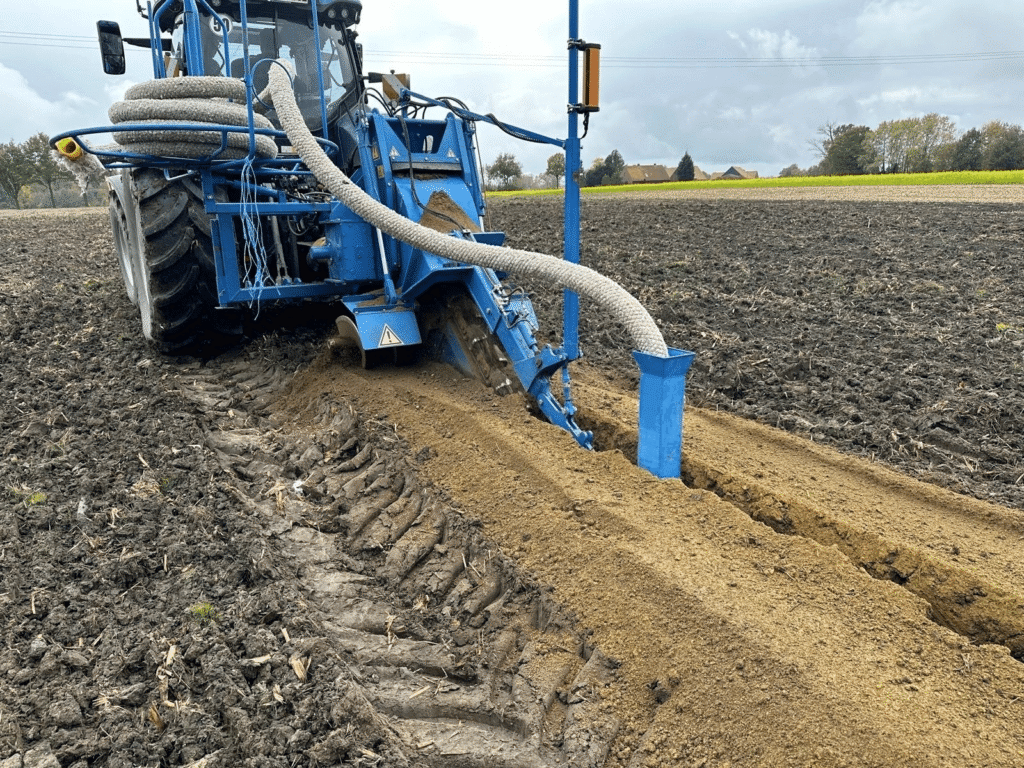
According to Pieter Blomme, Managing Director of Dranicon, a large part of the solution lies in something visitors rarely see: the way a site is constructed, levelled and drained.
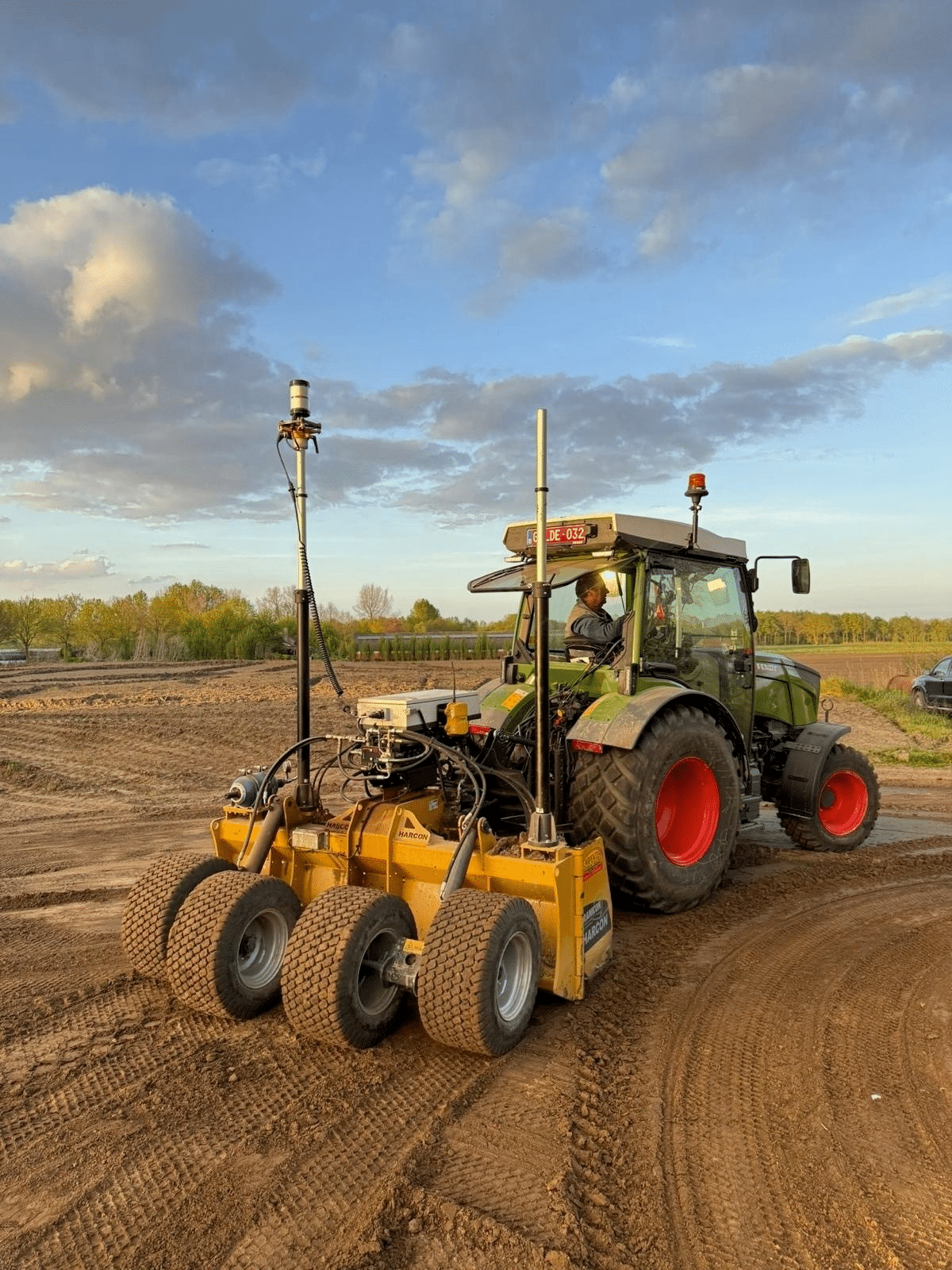
One of the biggest misconceptions Blomme encounters is the belief that drainage simply makes water disappear more quickly. “Many people think drained soil becomes drier. In reality, the opposite is true. A well-drained site generally has a better structure, enabling it to buffer more water and improve infiltration,” he explains.
According to Blomme, modern site management is no longer solely about removing excess water. It is increasingly about managing it in a controlled way. Techniques such as controlled drainage make it possible to retain water during wet periods and make it available again when drought conditions occur.
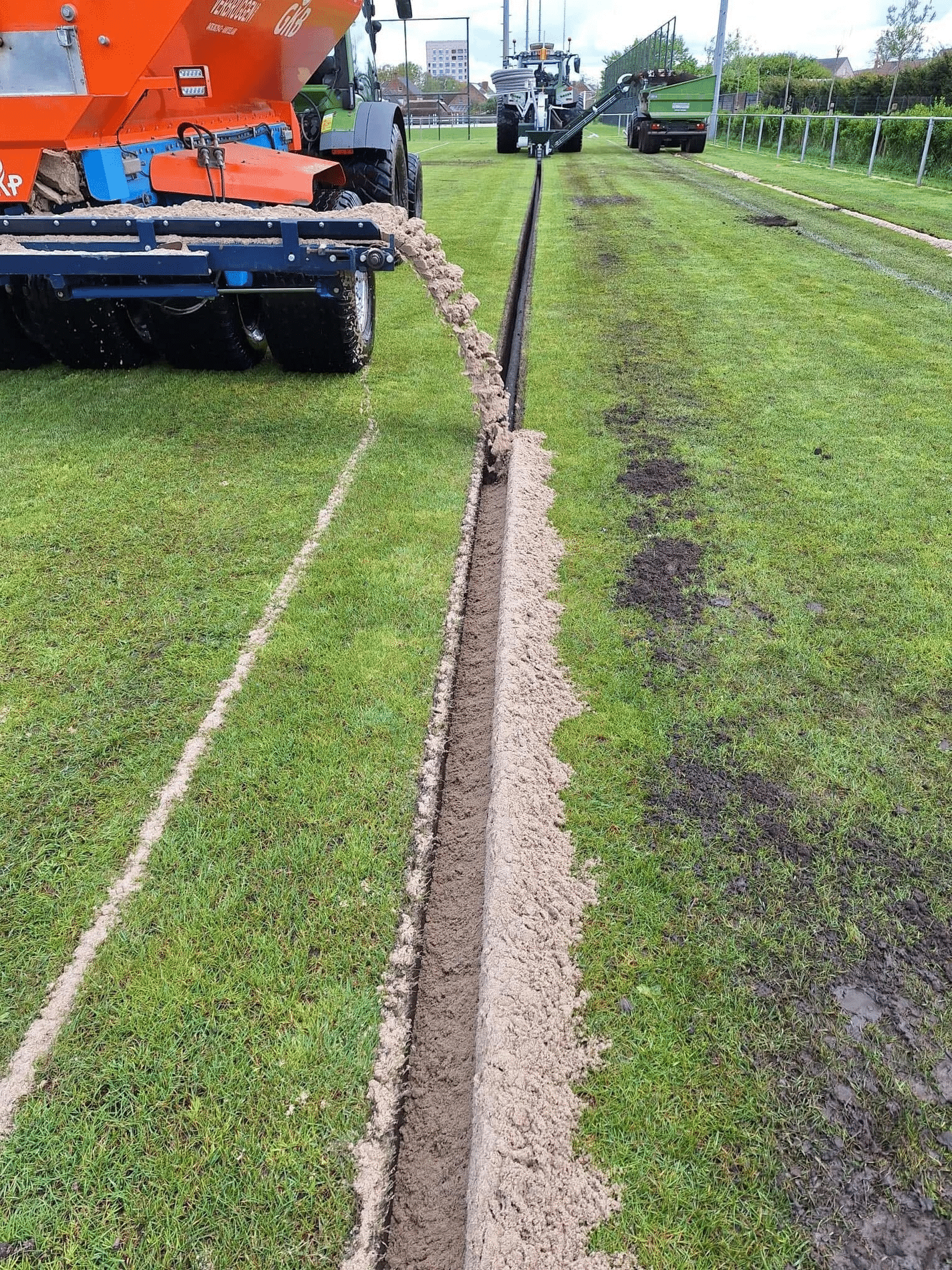
The impact of climate change is becoming increasingly visible on intensively used sites. Sports pitches must remain playable, equestrian arenas must provide consistent surface conditions and green spaces must withstand both heavy rainfall and prolonged dry periods. That is why precision levelling is becoming ever more important. In the past, minor height differences were often considered unavoidable, but today they can have major consequences for a site’s water management. “When areas develop where water remains standing, you get soil compaction, oxygen deficiency and eventually damage to vegetation. A properly levelled site ensures that water is distributed evenly and can infiltrate effectively,” says Blomme.
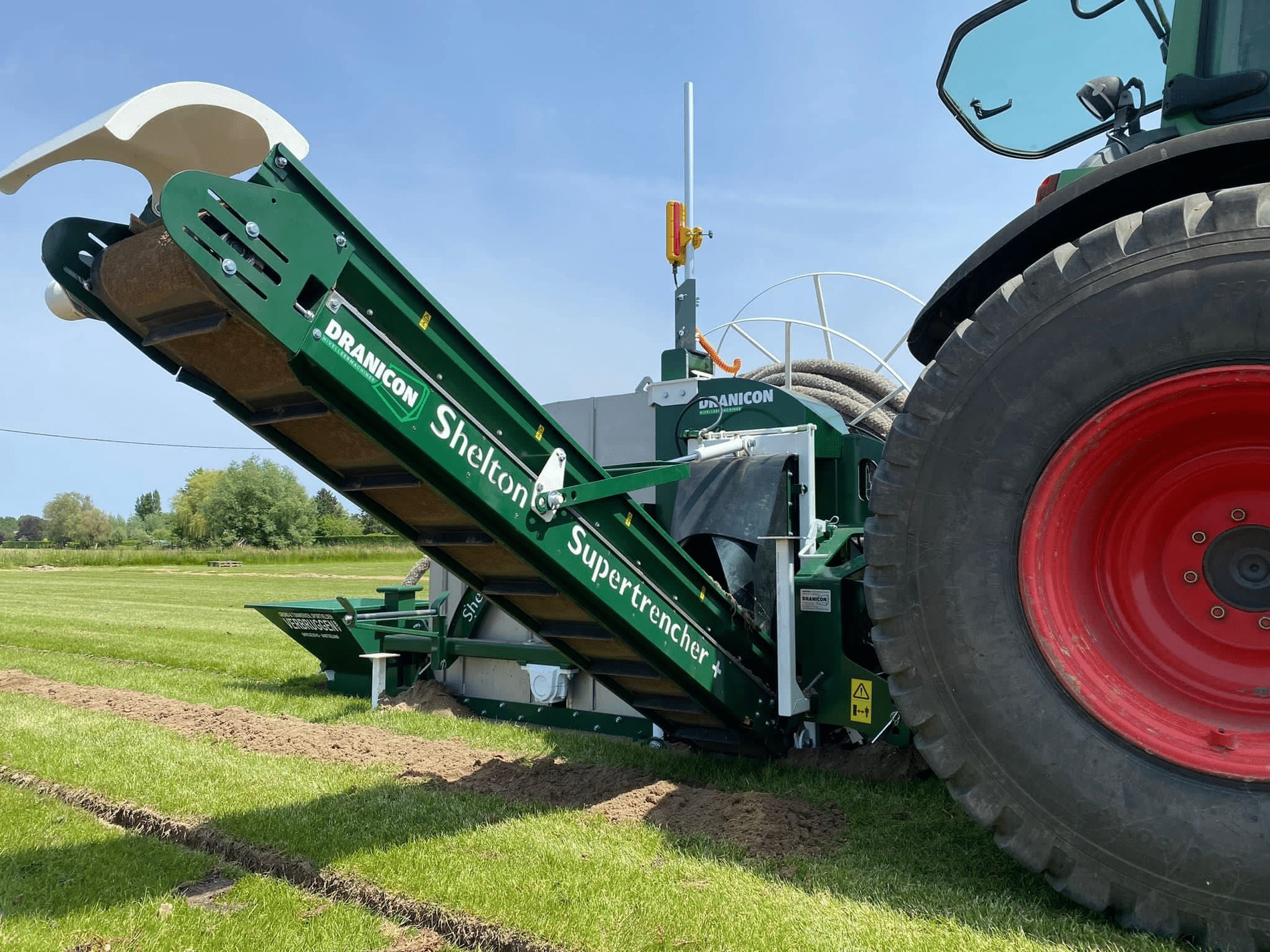
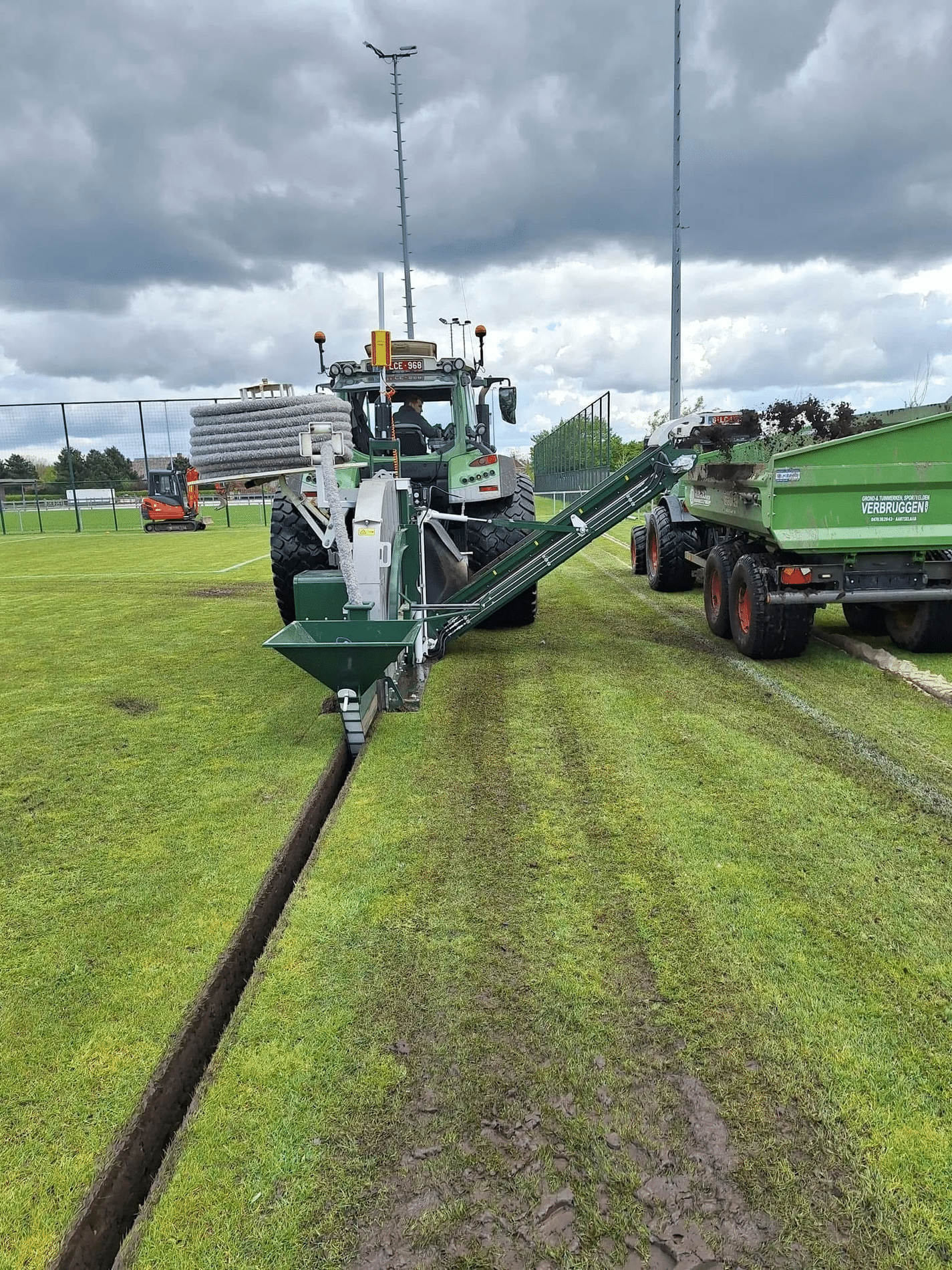
According to Dranicon, the importance of levelling is still too often underestimated. Many clients view it as a preparatory stage, whereas Blomme considers it the foundation of the entire construction process. “The first layer you install is the most important one. Everything starts there. Whether it’s a football pitch, a golf course or an equestrian arena, the quality of the sub-base ultimately determines the quality of the final result.” This also applies to modern ebb-and-flow equestrian arenas. The entire drainage and foundation layer must be perfectly levelled to guarantee uniform water distribution and surface stability throughout. Even minor deviations can affect the performance of the arena.
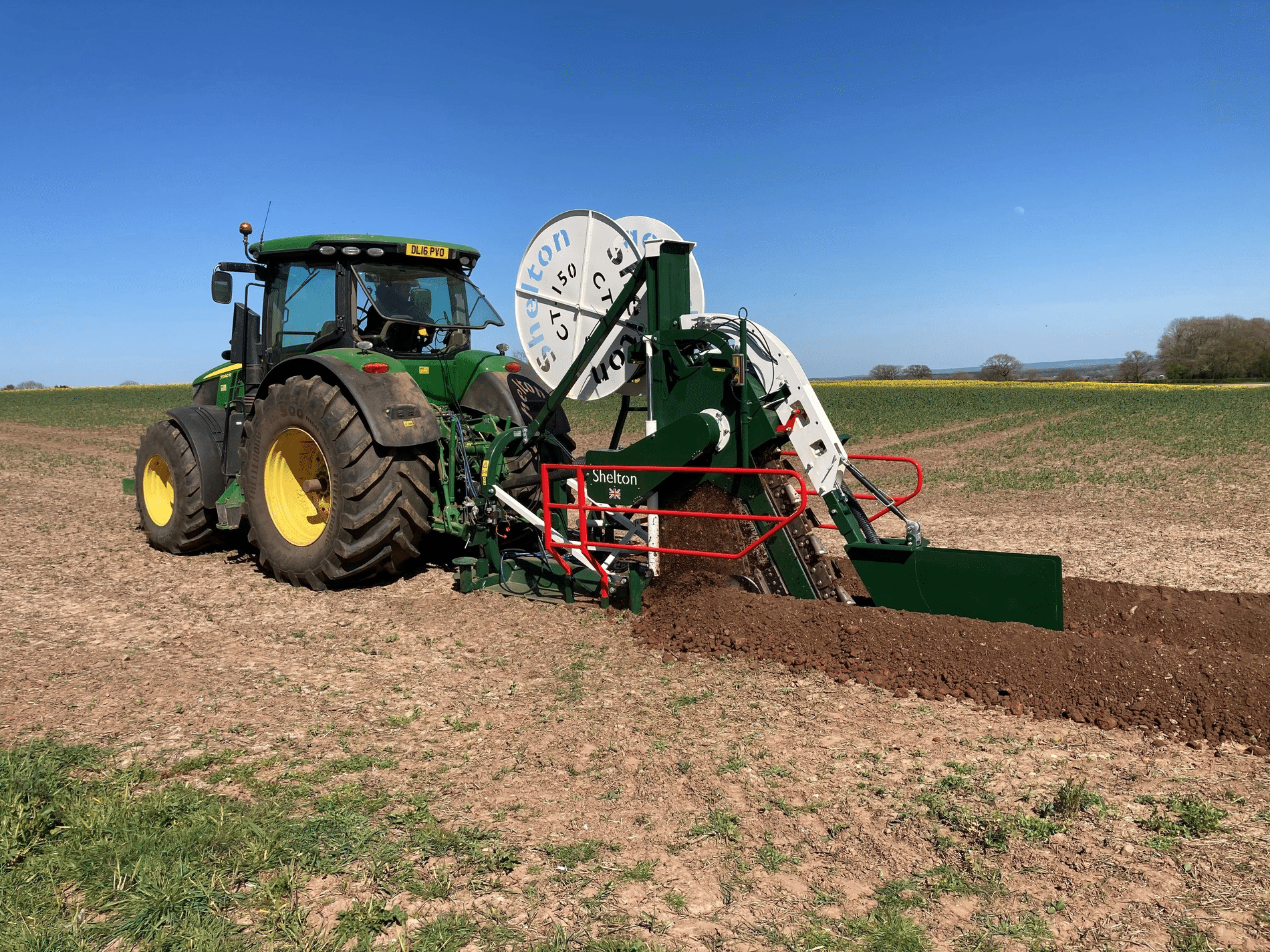
Where site managers once mainly reacted to problems, the focus is increasingly shifting towards prevention. Thanks to digital site surveys, simulations and accurate 3D models, risk areas can be identified and addressed in advance. “Today, you can simulate where water will accumulate and which areas require additional attention. That allows you to solve problems before they actually occur,” according to Blomme. According to him, this preventative approach will be the key to sustainable site management in the future. As weather conditions become more extreme, it will become increasingly important not only to construct sites attractively, but also to make them resilient. “Water management doesn’t begin when it starts raining. It begins with a well-considered site construction,” concludes Pieter Blomme.