keepitgreen.be
en

Platform for the management and construction of sports and golf courses
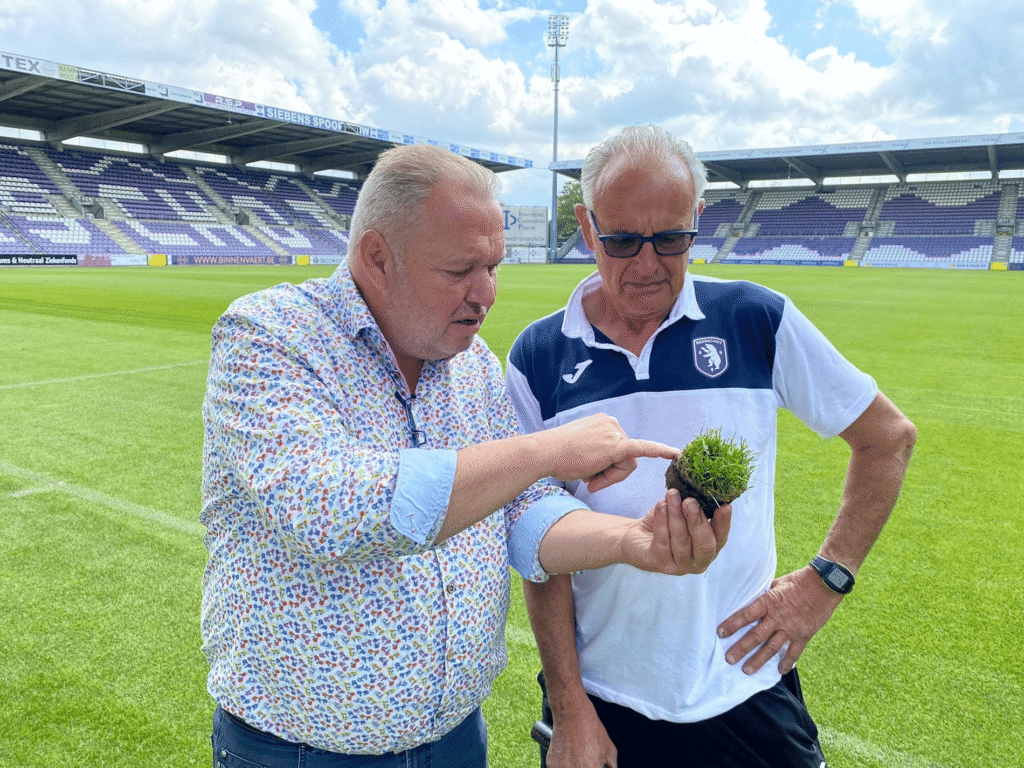
Every sports pitch deserves a professional approach
Maintaining a sports pitch involves far more than regular mowing and the occasional application of fertiliser. As a greenkeeper, you are constantly searching for a balance between playability, sustainability and budget. According to Erik Truyers, Sales Manager Lawn Seeds and Wildflowers at Advanta, a high-quality turf surface starts with knowledge, a well-considered maintenance plan and the willingness to think long term. “Every footballer, whether professional or amateur, deserves a lush green pitch beneath their feet,” he says firmly.
Anyone who thinks that maintaining a sports pitch is comparable to caring for a lawn is mistaken. According to Erik Truyers, the difference is enormous.
“The establishment and maintenance of a sports turf surface require a completely different approach from a lawn at home,” he says. “The grass mixtures are also composed differently, with specific proportions primarily geared towards intensive use during the winter period. The objective is clear: to have a safe and high-quality turf surface throughout the year.”
According to him, this applies not only to professional clubs. “A player at an amateur club or in a U12 team has just as much right to an excellent turf surface as a professional footballer. Well-maintained sports pitches also reduce the risk of injuries.”
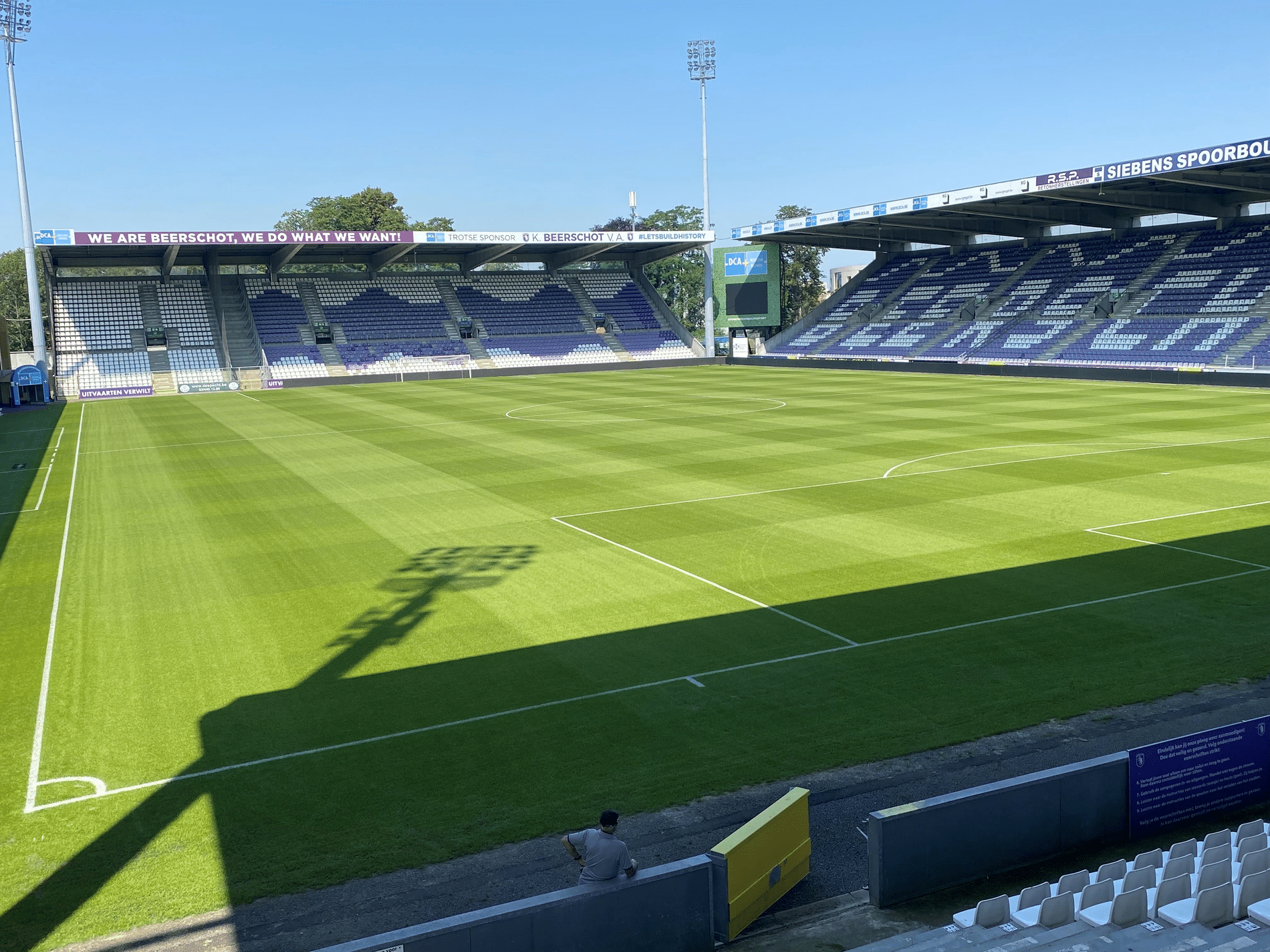
Many clubs look at what their neighbours are doing. If the club down the road starts topdressing, spiking or overseeding, others often follow the same example. According to Truyers, this is not always advisable.
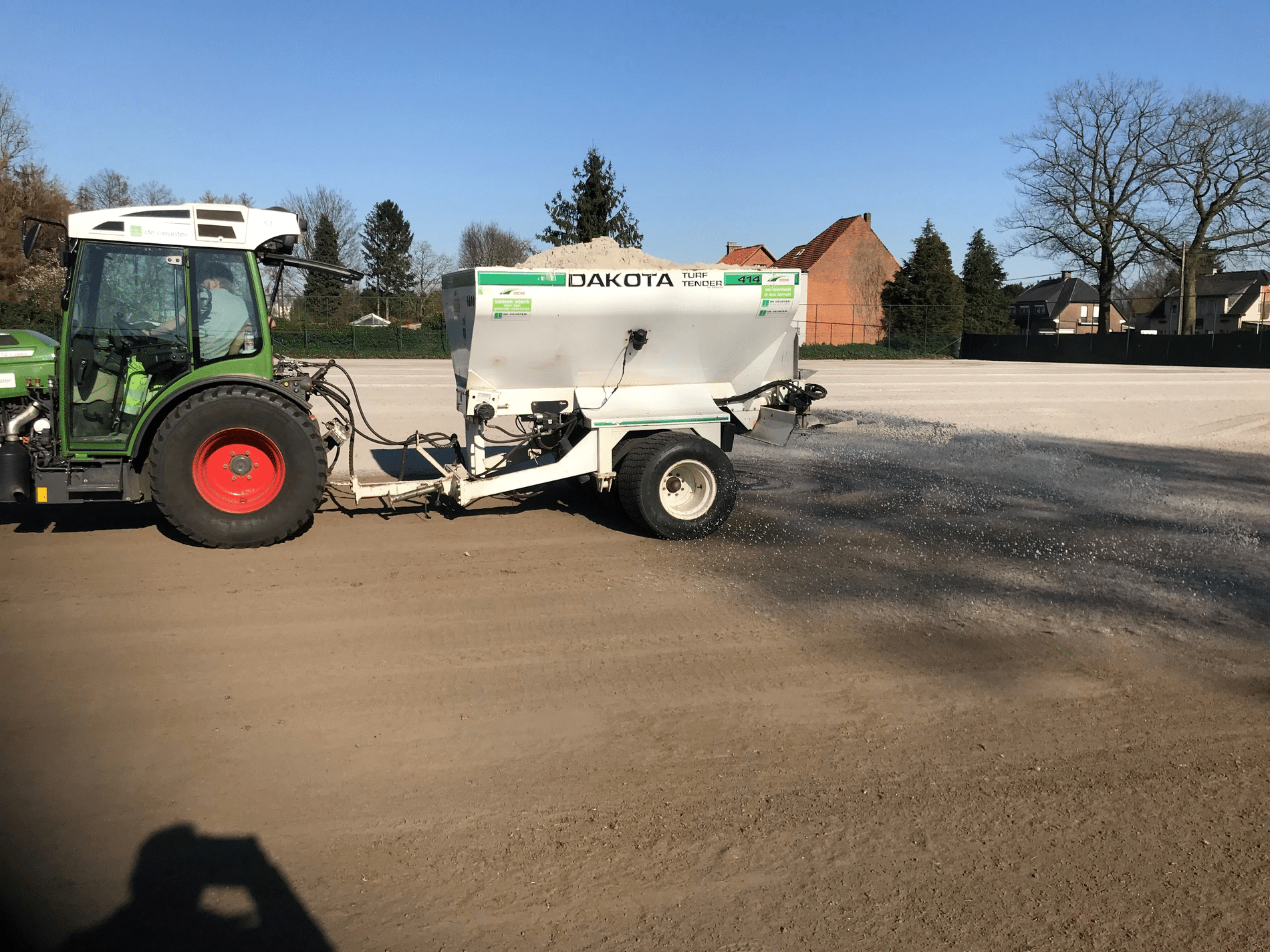
“No two pitches are identical. Soil construction, intensity of use and drainage differ considerably. As a result, every site has different requirements. I advise every grounds manager to have a soil analysis carried out. By taking soil samples, we learn a great deal. We gain insight into the particle size distribution and available nutrients, permeability and the balance between air and moisture in the soil. Only then do you know whether topdressing makes sense and which sand is best suited to the task, whether spiking is necessary and which fertilisation programme is most appropriate.”
“Without a proper analysis, unnecessary interventions are sometimes carried out that cost money and can even weaken the pitch.”
Another point of concern is the disappearance of experienced volunteers. “In the past, almost every club had a number of retired volunteers who maintained the pitch with great dedication and a love for the sport. Today, it is becoming increasingly difficult to find that knowledge and manpower.” According to Erik Truyers, this makes professional guidance more important than ever. “Incorrect fertilisation or faulty drainage can have disastrous consequences. Professional greenkeepers know the ideal mowing height, when overseeding should take place and which operations should not be combined. For example, you do not overseed and fertilise at the same time.”
“Admittedly, expert advice comes at a cost. But that investment pays for itself. With the right technical approach, you will need to invest less over time while achieving a better and more lasting result.”
Truyers remains a strong advocate of natural grass. “I see some clubs that opted for artificial turf rediscovering the advantages of natural grass. In the long term, the total cost of artificial turf is much higher. In addition, natural grass offers important benefits in terms of playing comfort and sustainability. A well-maintained natural grass pitch lasts much longer than is often assumed. The secret lies in proper construction, consistent maintenance and timely intervention.”
“Even during renovations, I recommend seeding rather than laying turf. Seeding generally results in better quality. Only when the fixture schedule is particularly demanding can laying turf provide a solution.”
Climate change is not making the work of greenkeepers any easier. Prolonged periods of drought, intense rainfall and changing regulations require continuous adjustment.
“When do you irrigate? How much water do you apply? Which sand do you use? When do you fertilise? Every piece of the puzzle matters,” concludes Truyers. “A good sports pitch is not created by making one correct decision, but by doing the right things every day. My advice to football clubs and other sports clubs: do not wait until problems become visible. January and February are ideal months for taking soil samples and preparing regeneration works. With a well-considered plan and expert guidance, you can develop a pitch that improves year after year. Ultimately, that is the most cost-effective investment a sports club can make.”