keepitgreen.be
en

Platform for the management and construction of sports and golf courses
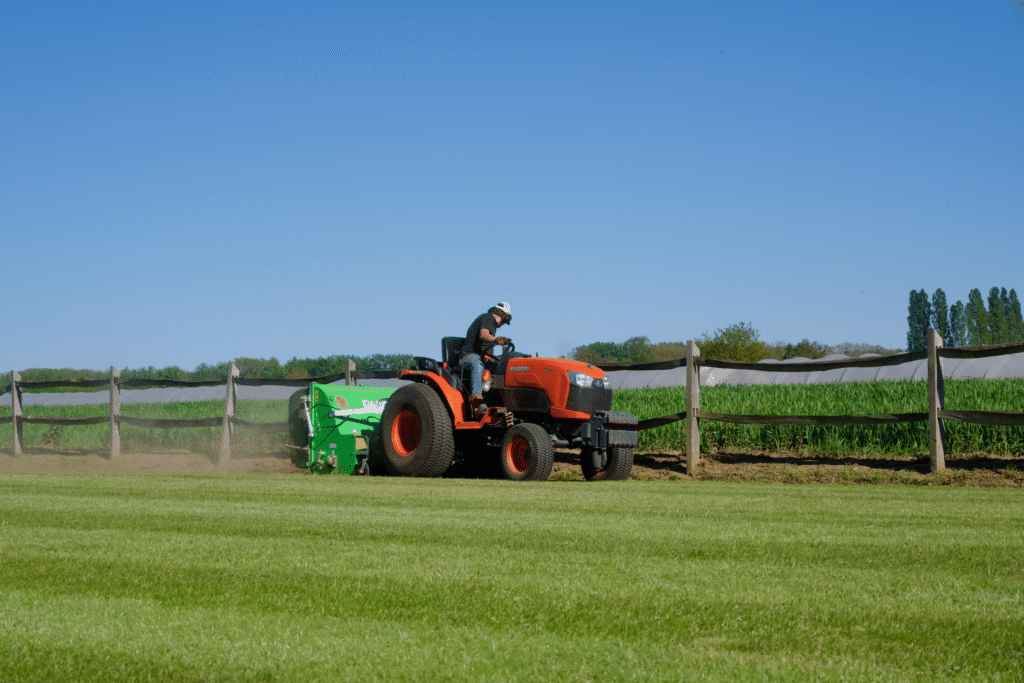
More and more football clubs and local authorities are opting for artificial turf today. The arguments are familiar: greater playability, less dependence on weather conditions and the perception of lower maintenance costs. Especially during the winter months, when rainfall and intensive use put natural grass pitches under considerable pressure, artificial turf appears to be the logical solution for many clubs. Yet there is also another voice within the sector. According to Pro-Pitch, professionally managed natural grass deserves a more prominent place in the debate once again.
Pro-Pitch specialises in the sustainable management and optimisation of natural grass pitches. Based on this expertise, the company openly questions whether artificial turf is truly the most logical choice in every situation. Not from an ideological standpoint, but from practical experience and a critical analysis of the total life cycle of sports facilities.
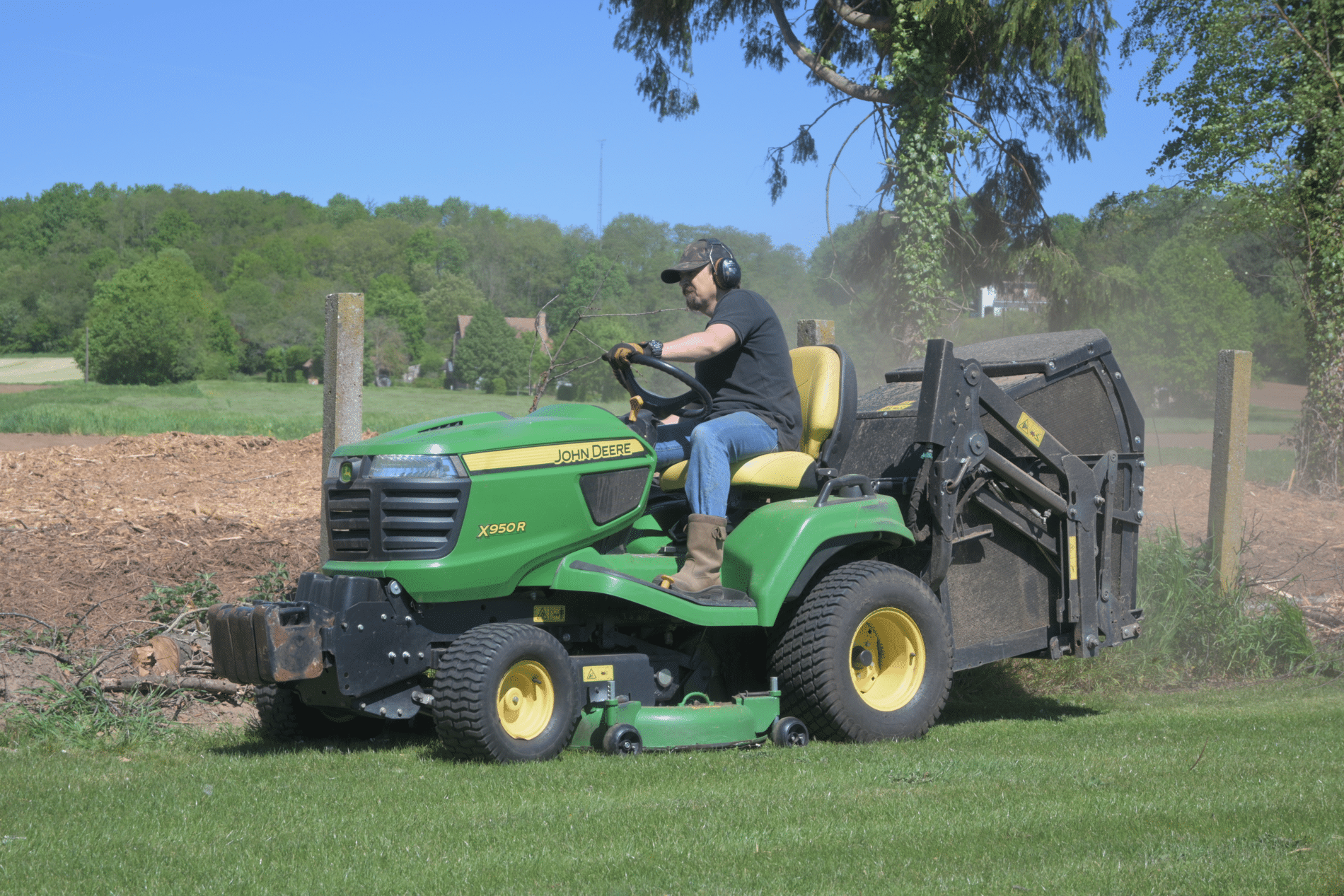
At many provincial football clubs, the challenge lies not so much with the turf itself, but with the lack of professional maintenance. Clubs are rarely the owners of their facilities and often have limited resources at their disposal. The pitches are usually owned by municipalities or cities, while day-to-day maintenance often rests on the shoulders of volunteers or a small technical team.
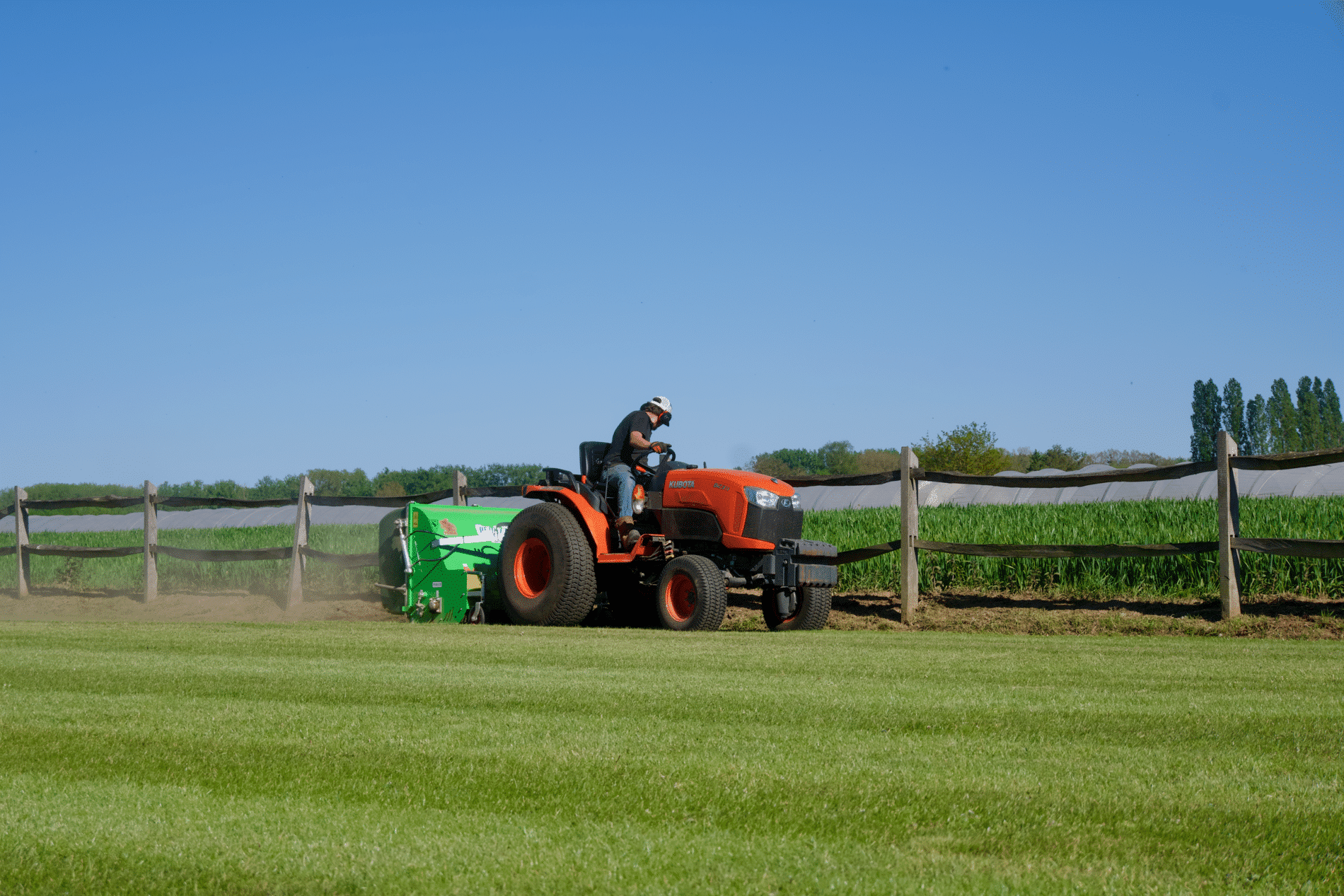
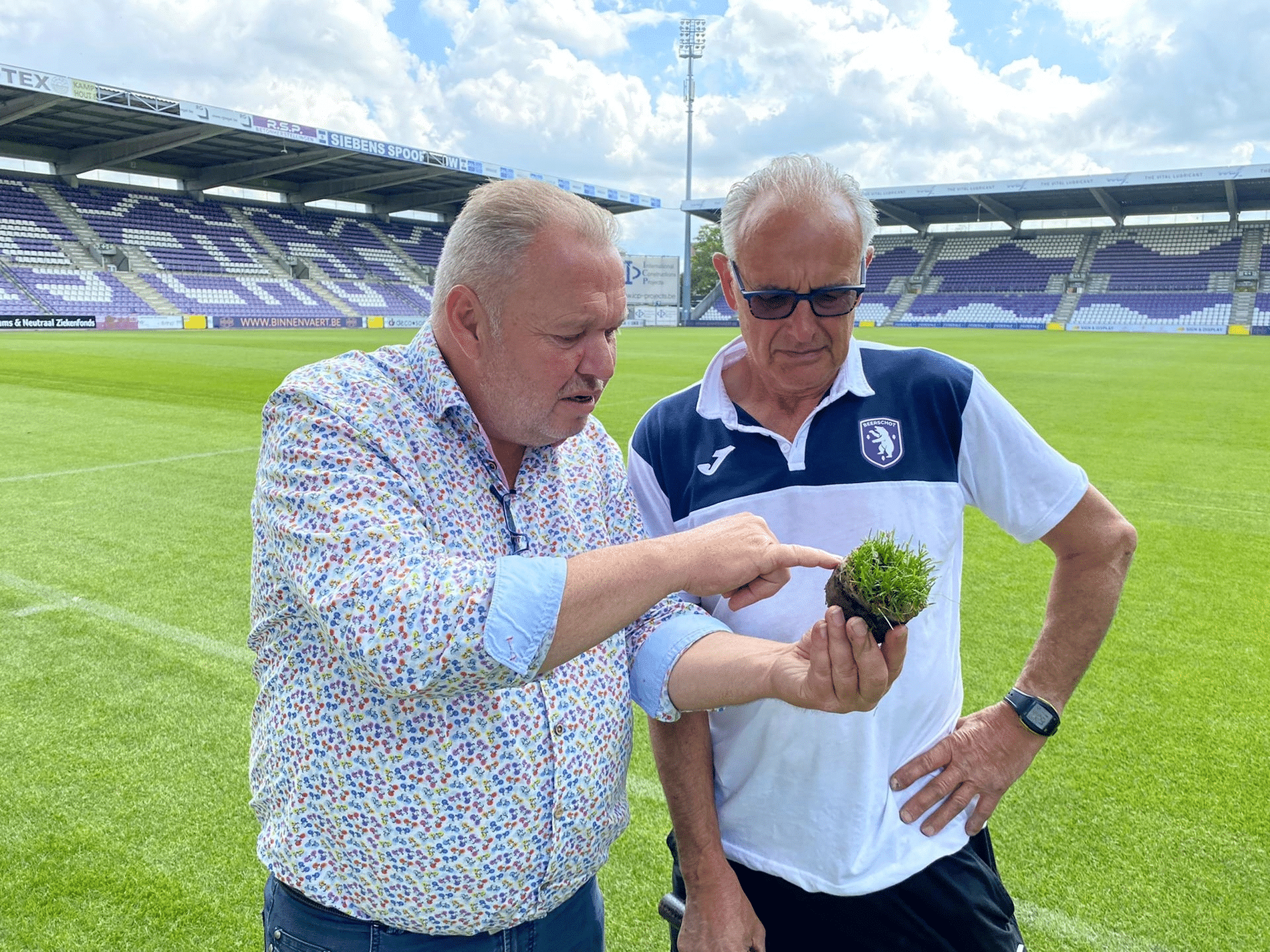
Mowing is generally not a problem. However, when it comes to structural turf management such as aeration, fertilisation, drainage, overseeding or the removal of grass clippings, things become more complex. This is precisely where the first problems arise. A natural grass pitch that is not professionally managed quickly loses quality. Soil compaction, thatch build-up and declining root development lead to bare patches, weed infestation and reduced playability. “When playing quality begins to deteriorate, artificial turf is often considered as the alternative. In our view, that reaction is too simplistic. Installing an artificial turf pitch requires a substantial investment. Conservative estimates range from €500,000 to €750,000, depending on the base construction, finishing specifications and system selected. And the costs do not stop once the installation has been completed,” says Olivier Vandermotte, Managing Director of Pro-Pitch.
Although artificial turf does not require mowing, maintenance remains essential. Brushing, cleaning and the periodic replenishment of infill materials are necessary to maintain the sporting performance characteristics of the surface. In addition, specialised machinery and additional labour hours are required to maximise the lifespan of the facility.
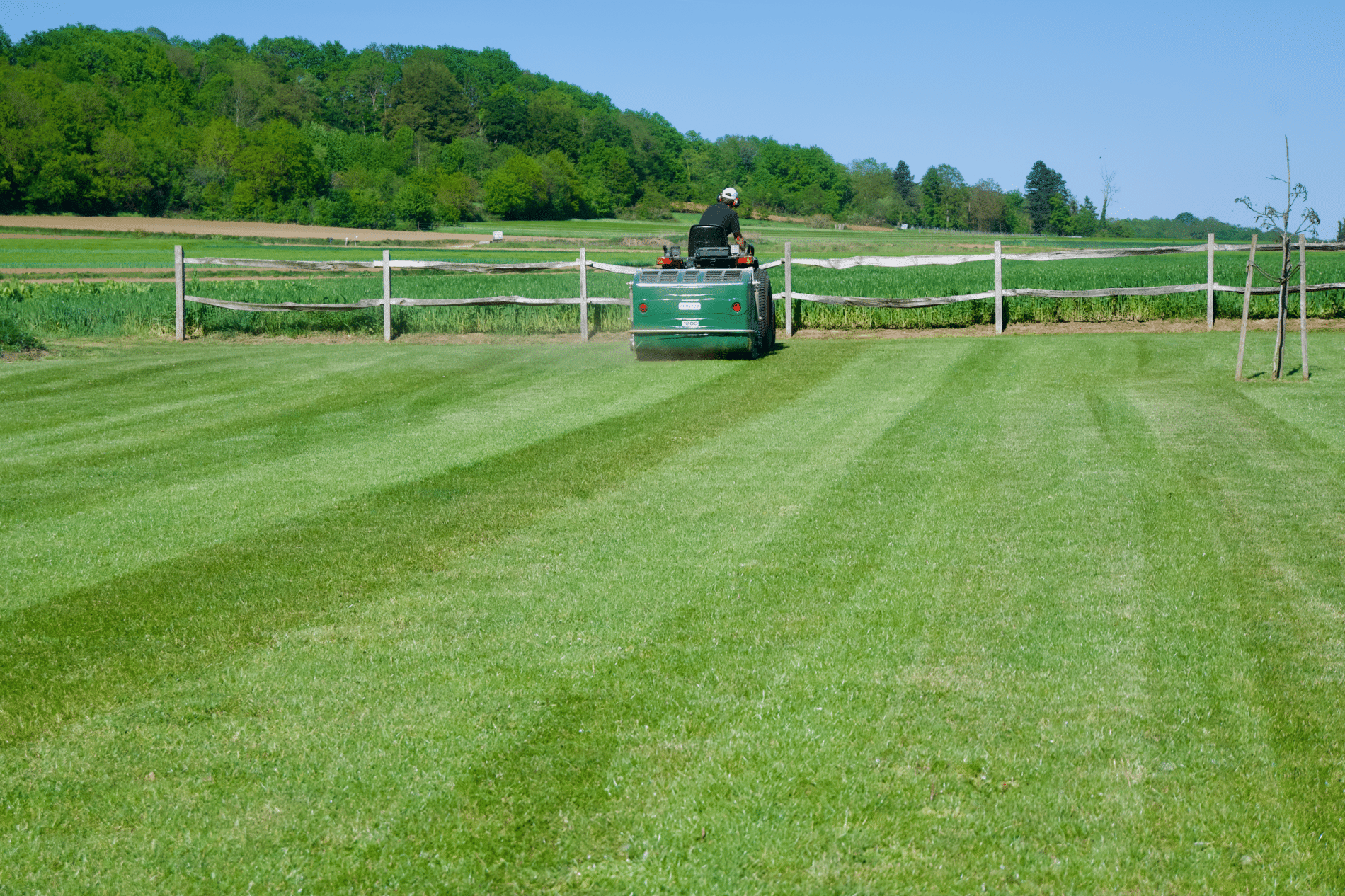
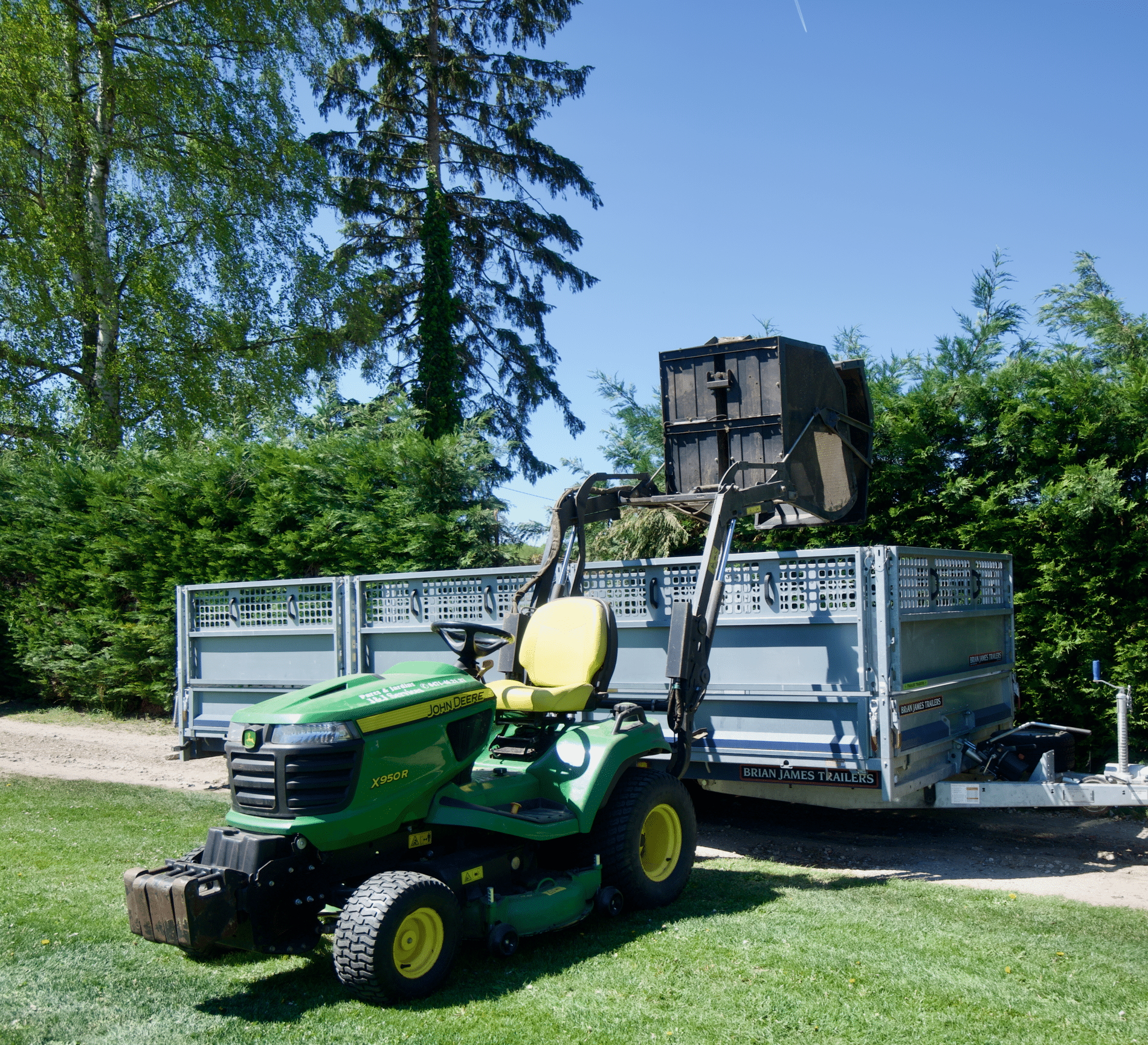
In contrast, Pro-Pitch promotes an alternative model based on professional natural turf management. According to the company, a natural grass surface can remain high-performing and safe for play over the long term when supported by a well-considered maintenance plan tailored to soil type, intensity of use and weather conditions. Investing in expertise, preventive maintenance and structural soil improvement makes the difference between a problematic pitch and a high-quality sports facility.
Alongside the financial aspect, sustainability also plays an important role. Unlike artificial turf, natural grass actively stores CO2 in the soil and supports natural biodiversity. This ecological added value is becoming increasingly relevant as local authorities place greater emphasis on climate-resilient policies and sustainable infrastructure.
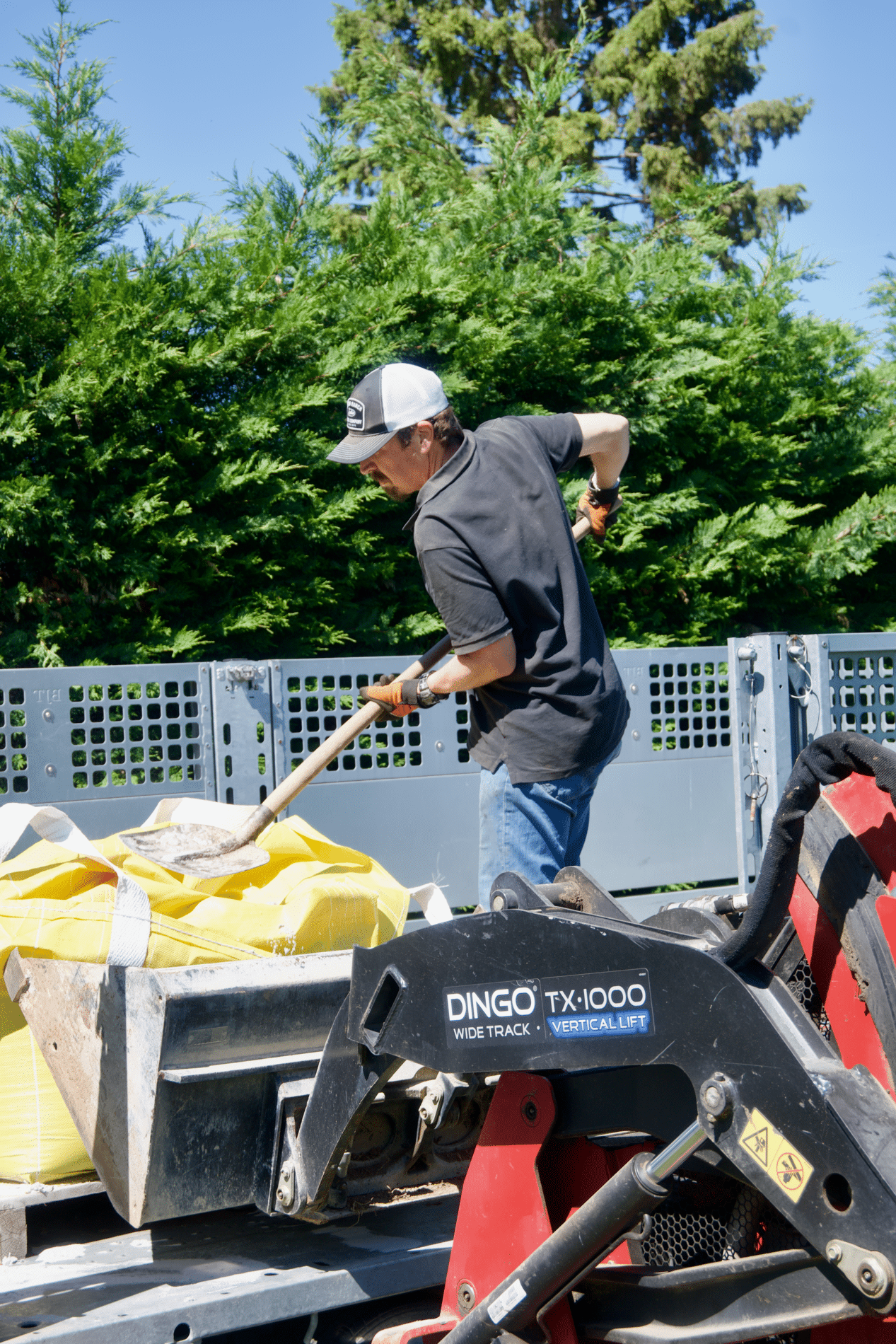
Pro-Pitch supports clubs and public authorities with a comprehensive approach, ranging from soil analysis and structural soil improvement to irrigation, mowing management and seasonal maintenance programmes. The ambition is clear: to demonstrate that natural grass, when professionally managed, can still be a future-proof choice today. Perhaps the real solution does not always lie in switching to artificial turf, but in managing what nature has to offer in a smarter and more professional way.