keepitgreen.be
en

Platform for the management and construction of sports and golf courses
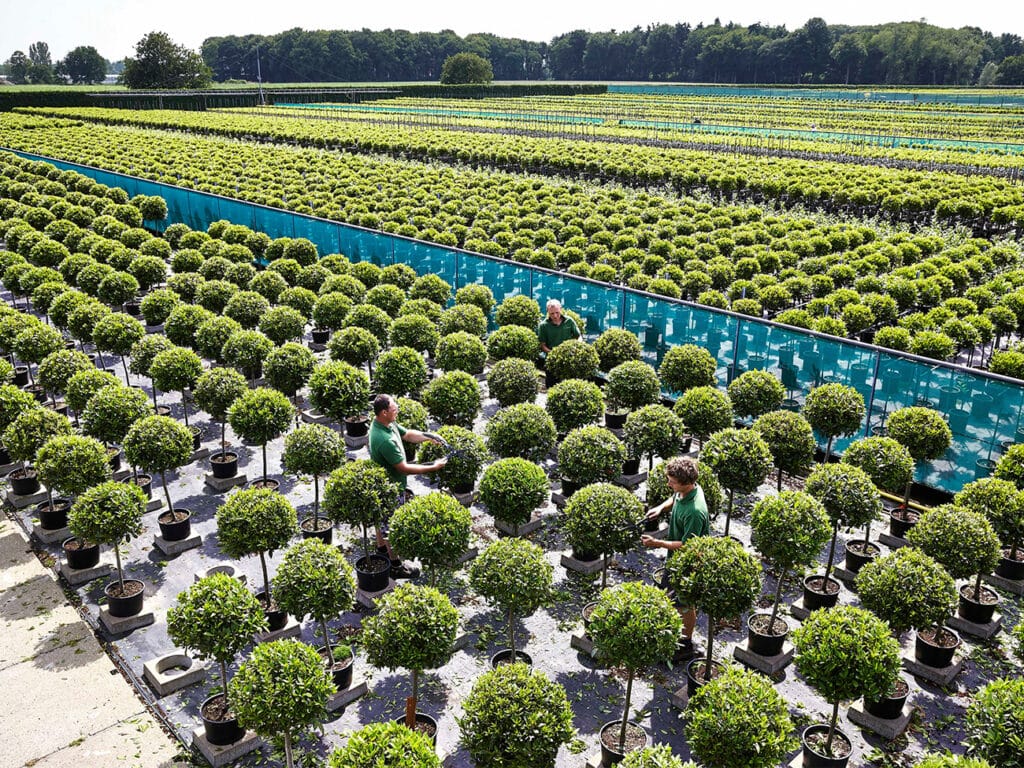
De laurier is een evergreen. Letterlijk – wintergroen – maar ook figuurlijk: een blijver in de inrichting van menig tuin en park. Toch is ook deze eeuwenoude plant onmiskenbaar onderhevig aan trends en ontwikkelingen. Dat weten ze bij Laurica-Plants uit Jabbeke, dit jaar vijftig jaar actief in de kweek van laurus nobilis, als geen ander. Marian Maenhoudt lijst de belangrijkste evoluties op.
Laurica-Plants viert in 2022 zijn vijftigste verjaardag. In die periode vond het familiebedrijf bevestiging in de aanhoudende – en stijgende – vraag naar vormgesnoeide laurier, maar zag het ook de kweekmethodes, toepassingen en aandachtspunten evolueren. Vandaag heeft onder meer de Brexit een belangrijke impact op de werking van de kwekerij; eerder drukten automatisering, het veranderende klimaat en de toenemende belangstelling voor unieke exemplaren al hun stempel op de markt van laurierplanten.
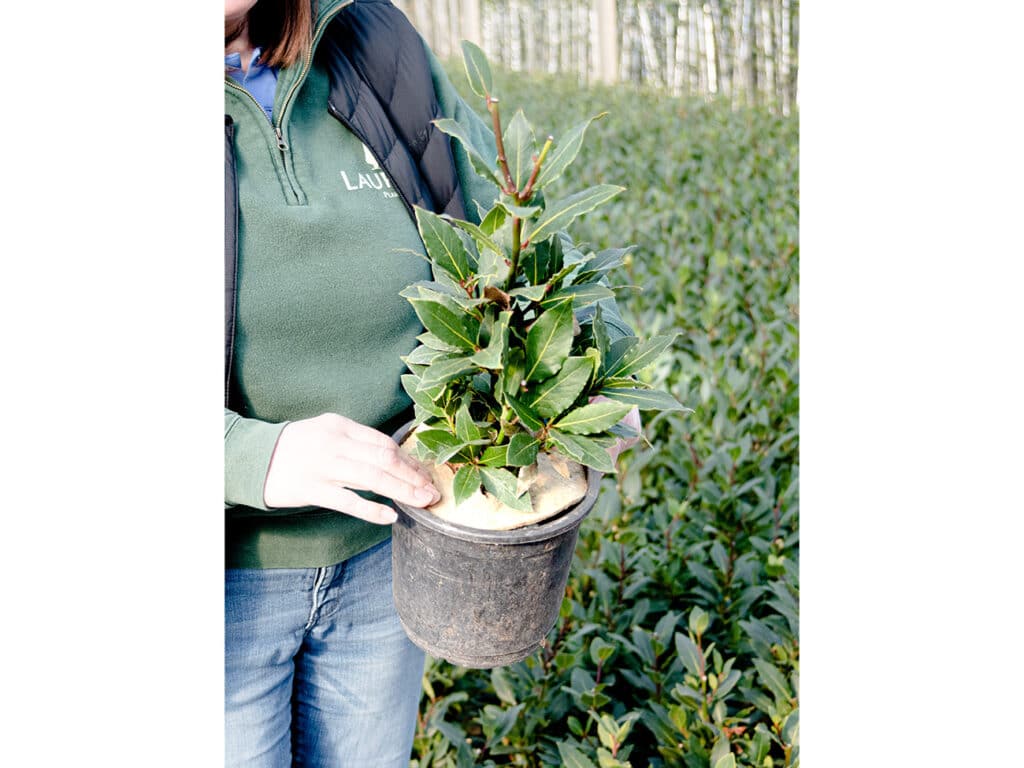
De voorbije decennia heeft er, net als in de industrie, ook in de plantenteelt een wedloop naar automatisering plaatsgevonden. Veel kwekerijen hebben geïnvesteerd in machines om het werk efficiënter te kunnen organiseren.
“In ons geval gaat dat bijvoorbeeld over het gebruik van plantenvorken of de toevoeging van buffer- en transportbanden zodat ons personeel op hoogte kan werken”, aldus Marian Maenhoudt. “Het zijn, met andere woorden, ingrepen in functie van de ergonomie.”
“Bij het kweken en snoeien van laurier is het machinale aspect eerder beperkt. De waarde van de plant ligt immers in de sierwaarde van het blad. Ga je machinaal snoeien, dan wordt net dat blad doormidden gesneden en verlies je dus een belangrijk esthetisch aspect. Om die reden worden onze planten slechts heel beperkt machinaal gesnoeid, en gebeurt de vormsnoei van de laatste jaren altijd handmatig.”
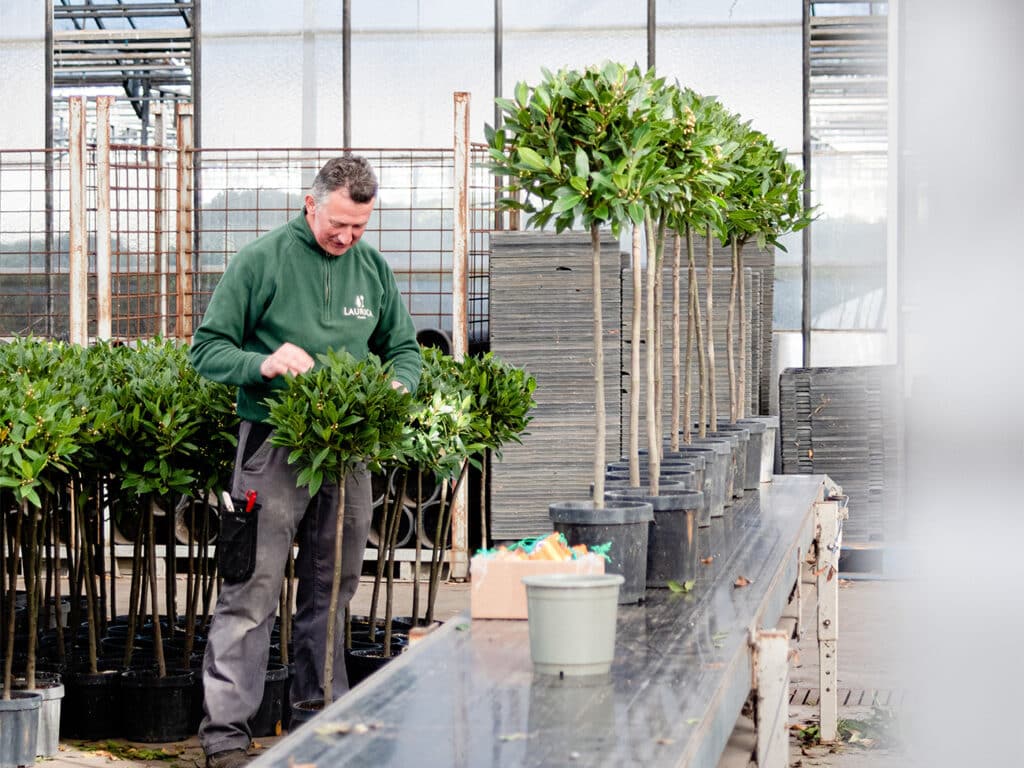
Net als in andere sectoren moeten kwekerijen tegenwoordig ook veel meer rekening houden met de impact op en van het klimaat. Marian Maenhoudt: “Zo leggen we sinds een aantal jaren matjes op de potgrond van jonge planten. Dat beperkt de groei van onkruid en bijgevolg het gebruik van sproeimiddelen, al vraagt het ook een andere aanpak inzake bijvoorbeeld bemesting.”
“Daarnaast moeten we alsmaar zuiniger omspringen met water. We blijven daarom investeren in de aanleg van nieuwe containervelden, zorgen dat het water zo gericht mogelijk op de planten terechtkomt en vangen alle overschotten op in een bufferbekken van 4 miljoen liter. Dat water wordt gefilterd en vervolgens hergebruikt.”
De steeds extremere weersomstandigheden hebben tegelijk ook een impact op de planten zelf.
“Het klimaat is voor ons niet mals”, meent Marian Maenhoudt. “We moeten onze planten onder meer beschermen tegen de schrale wind. Daartoe hebben we verschillende systemen opgezet om te zorgen dat de planten, afhankelijk van de vorm, niet omwaaien. Ook de plotse omslag van koude winteropslag naar warme, droge en zonnige lentedagen kan voor jonge planten hard aankomen. Daarom laten we ze tegenwoordig, na hun overwintering, even acclimatiseren in een extra serre alvorens ze weer buiten te plaatsen. Gelukkig zal dat contrast bij de meeste particulieren nooit zo groot zijn. Daar kunnen planten na de winter dus wel gewoon weer meteen buiten geplaatst worden.”
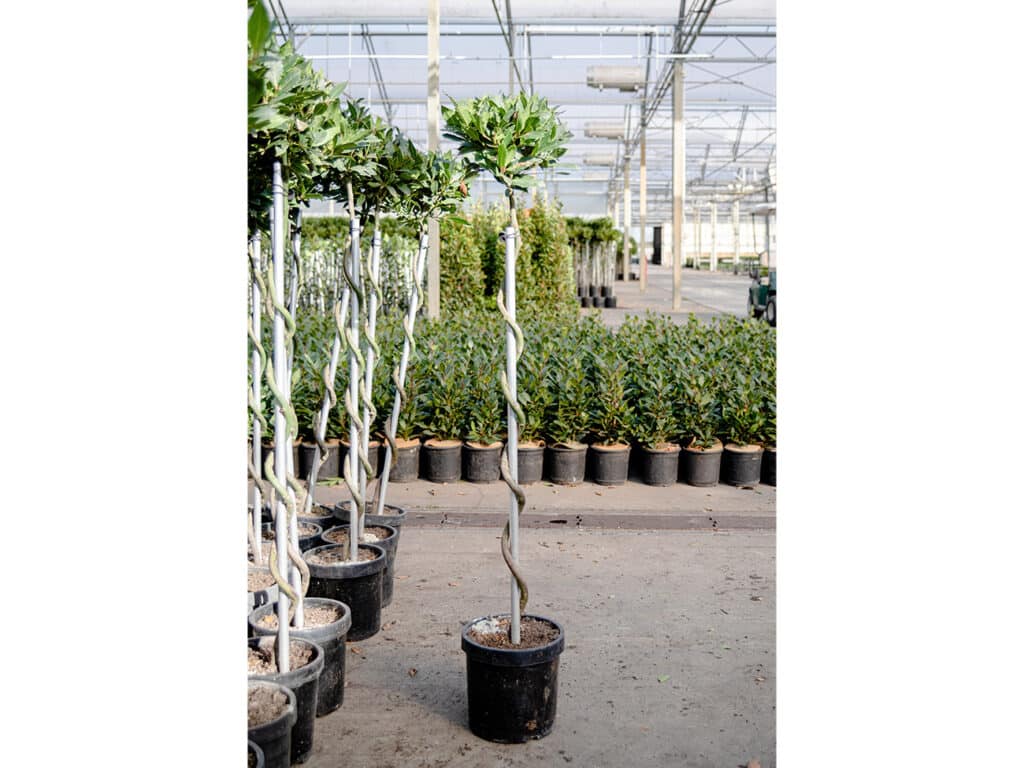
En de trends? Die gaan volgens Marian Maenhoudt nog steeds op en neer. “Sommige vormen doen het natuurlijk altijd goed. Denk aan de bol op stam –zoals ze in het Verenigd Koninkrijk zeggen: de ‘lollypops’. Zij worden nog steeds heel vaak in duo toegepast, naast de voordeur of als afbakening van een laan of pad. Echter, tegenwoordig worden ook heel wat andere planten in die vorm gesnoeid. Er zijn zelfs bloeiende exemplaren. De laurier is in dat opzicht niet meer uniek.”
Vandaag zijn het dan ook vooral de speciale vormen waarin laurier zich onderscheidt. “We zien een enorme interesse in planten met een gedraaide of gevlochten stam. In dat geval wordt gekozen voor één grote of middelgrote plant die als eyecatcher centraal komt te staan.”
Meer seizoensgebonden zijn de piramides in rode pot die Laurica-Plants in het najaar aanbiedt. “Zij worden gekocht als alternatief voor de kerstboom of om wat extra kerstsfeer in huis te brengen, maar krijgen nadien doorgaans wel een vaste plaats op het terras.”