keepitgreen.be
nl

Platform voor de beheerders van voetbal- en golfterreinen
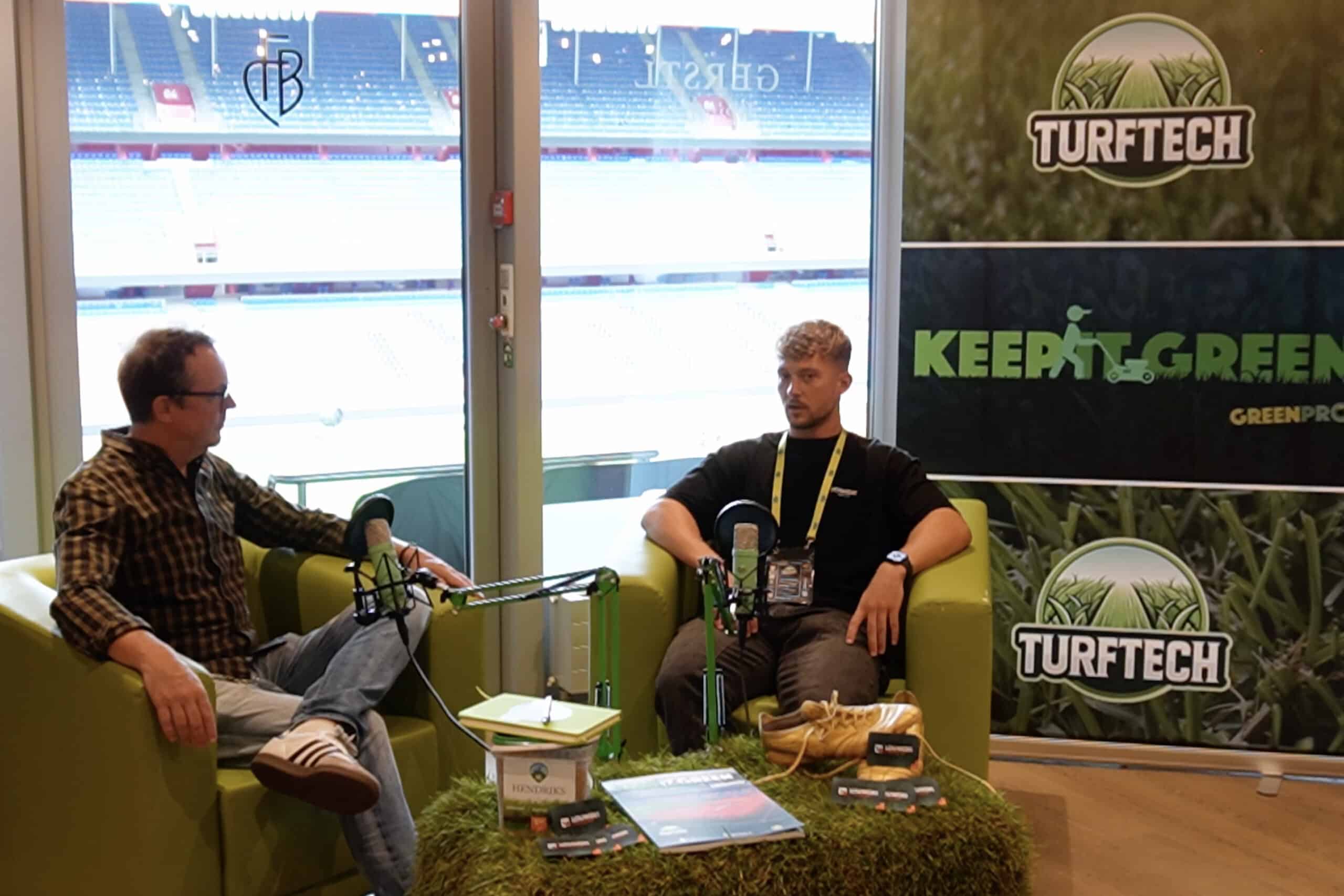
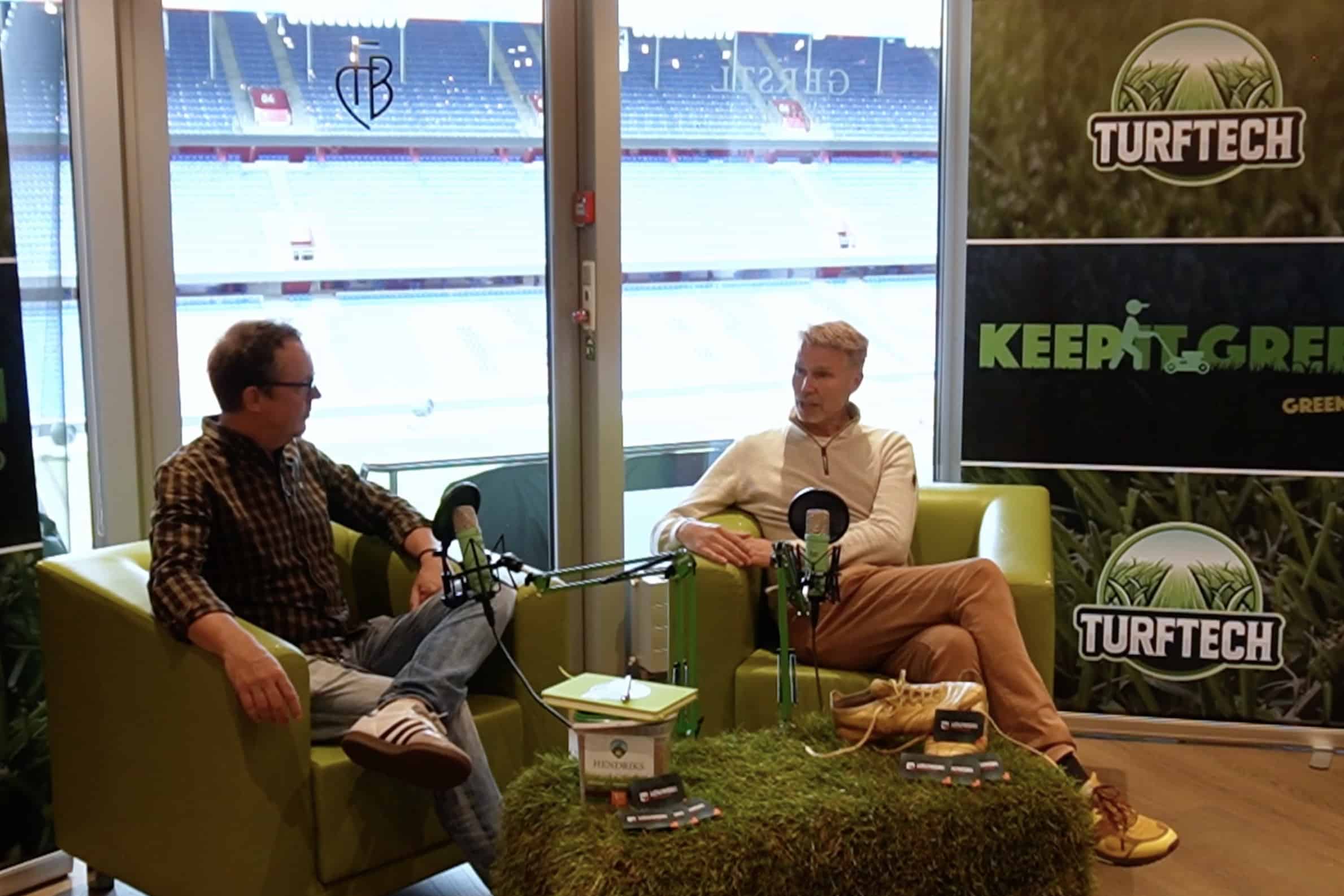
During TurfTech 2025 in Basel, we sat down down with Kate Finlayson of Orion Future Technology Ltd to explore one of the most promising developments in modern sports turf management: the role of silicon in plant health and sustainability.
Host: Kris Vandekerckhove
Gast: Kate Finlayson – Orion Future Technology Ltd
With a background in plant biology, agriculture and sustainability, Finlayson explains how strengthening plants at a structural level can reduce the need for fertilizers, pesticides and other inputs. Silicon, she explains, reinforces plant structures and helping turf cope better with stress, disease and heavy use.
Finlayson explains how grounds managers can start integrating silicon into their programmes, why the results can vary depending on the growing season, and why one of the biggest myths in the industry still persists: the idea that all silicon products are the same.
For grounds managers looking to improve durability, sustainability and plant health, this episode offers a clear introduction to a technology that may become increasingly important in the future of sports turf.
[00:05] Podcast introduction
Kris Vandekerckhove: So hi Kate. Hello. Welcome. You’re at the podcast from Keep It Green. We like to think one of the leading magazines in the groundsmen and groundswomen and greenkeepers area. And I would like to ask you a couple of questions.
Kate Finlayson: Of course.
[00:27] Who is Kate Finlayson in the world of turf
Kris Vandekerckhove: So Kate, who are you and what is your deal in this world?
Kate Finlayson: In the world of turf.
Kris Vandekerckhove: In the world of turf. Are you a turf wizard? Oh I am the turf fairy. The turf fairy. Yeah so I have been named apparently. It is really the nickname. Oh my gosh.
[00:53] From agriculture to sports turf
Kate Finlayson: Yeah. I originated – my career started in agriculture, plant science and sustainability really. So consulting with growers about using less pesticides, environmental issues and sustainability. And I’ve moved through lots of different fields – agriculture, horticulture, flowers – and then happened upon turf a couple of years ago actually, only just. So now I help to consult in lots of different countries on sports turf doing almost the same thing – so looking at how we can make running professional sports turf more sustainable and a bit more environmentally friendly. And yeah I just think there’s so much technology that we can pick up from other industries and bring across into turf. It’s really fascinating to be able to see the whole picture across all the different spectrums of technology and cross–pollinate ideas.
[01:54] What is a “silicon sister”?
Kris Vandekerckhove: Yeah okay so I read that you are like a silicon sister yes so for the non–turf geeks what’s your explain it to my dad version of that what silicon actually does.
[02:09] How silicon strengthens plants
Kate Finlayson: Of course yeah so as I said I’m plant biologist background and what we’re always looking to do obviously to minimize the use of fertilizers pesticides is to make the plant really healthy and strong to start with. If you get a strong plant it needs far less maintenance, far less input through the growing season and that’s the same for turf. And one of the really interesting elements that you can use to do that is silicon. And obviously it’s not something you think that would work particularly on a living plant but actually every plant needs silicon to reinforce its structures. A little bit like concrete in a building. It really sort of strengthens it up.
[02:46] Research and benefits of silicon
Kate Finlayson: So I started researching on silicon about four years ago with the role I’m doing now and it’s just been fascinating the benefits that you can see from using it. It’s not really readily available in soil so if you can supplement it to turf it really strengthens up that burn. It reduces the disease levels you see, it reduces the nutrient inputs that you have to put in because it helps to draw more nutrition into the turf and it just reinforces the structure so it helps with playability and bounce back after matches and things like that. So it’s been really interesting actually seeing how many benefits we see with those particular elements.
[03:31] Projects and football clubs
Kris Vandekerckhove: And where can we see a project that you’re particularly proud of? Where could we see that, a turf, a pitch that we all know?
Kate Finlayson: Oh naming names is a bit dangerous isn’t it.
[03:54] Working with top clubs
Kate Finlayson: I’m really privileged in that a lot of the groundskeepers from some really high–tiered clubs in the UK have sort of welcomed me in and given me access to what they’re doing what their challenges are and they’ve run some sort of trial programs for me and been really supportive. Particularly I have to say John Ledwidge – Manchester City – has been amazing for me he’s helped me with all my questions he’s run trials on site for me and I’m just so appreciative for that.
[04:22] Different results each season
Kate Finlayson: But nowadays lots and lots of clubs and it’s actually really great to just pop in and say what are you seeing what results are you seeing and I always get a slightly different answer. This year it’s been they’re greener when it’s dry. So on the training grounds they’re using it to try to help keep water in there. And obviously in previous seasons that’s not been a challenge so that’s not really come up as feedback but this year that’s been the main result so year on year you see different benefits depending on the growing season.
[05:00] First step to implement silicon
Kris Vandekerckhove: And what is the what would in your words be the first step that groundsmen and groundswomen can do to incorporate your system.
Kate Finlayson: I mean in my view it’s really simple. Because it acts like a fertiliser you can essentially use it as a spacer between certain applications so look to reduce maybe your nitrogen down a little bit and add some silicon into your program and it’ll just sort of slow down that up the growth and toughen up the root structure and the turf or just add it in maybe once a month once every two weeks and just look for those differences. And I think actually feel for them because you can really feel it in the texture of the turf and the stability. And once you start to see the differences you can kind of tailor your program around what you want to get out of it and what you want to see.
[05:58] Sustainability and ecological benefits
Kris Vandekerckhove: And how does it translate in like because nowadays it’s all about durability it’s all about the ecological stuff in the world how does it translate to that.
Kate Finlayson: So it’s I would say it’s one of the most crucial materials in terms of making your growing more sustainable and more ecologically friendly. So applying silicon as a foliar spray helps the roots to take up more nutrition from your soil media whether that’s grass or hybrid or soil whatever it is. It mobilises more of those nutrients and that is liquids or granular. So we all know you put down granular and a lot of it gets washed through especially on high input pitches so it will really help to slow that process down and I think that that is key because it is an ongoing challenge we don’t want to just compile in the nitrogen fertilizers when we don’t need to.
[07:03] A common myth about silicon
Kris Vandekerckhove: Okay one last question what is a myth in your business that you really would like to get rid of.
Kate Finlayson: I would say the question I get asked the most is isn’t it just sand isn’t it everywhere already.
[07:20] Not all silicon products are the same
Kate Finlayson: And that is reasonable because obviously silicon takes so many different forms from sand to jelly to microchips. But actually it’s such a diverse range of products and they’re all very very different in how they work so we get a lot of clients who use things like potassium silicate or diatomaceous earth so they think that that’s it’s all the same and the answer is it isn’t it’s getting the right product so that it’s actually available to the plant and making sure you get those benefits that you’re looking for.
[07:55] Closing the conversation
Kris Vandekerckhove: All silicones are not the same let us let this be the title of this podcast.
Kate Finlayson: Perfect.
[08:18] End of the recording
Kris Vandekerckhove: What is your plan here for it for the next couple of days in TurfTech thank you very much for well taking this maiden trip with me.
Kate Finlayson: Yes yeah thank you so much.
Kris Vandekerckhove: And we will see each other I think in the next couple of days more than enough I hope I will not be drinking too much from nerf stuff.
Kate Finlayson: No worries no worries.
Kris Vandekerckhove: That’s it.
REEL
[05:12] I mean in my view it’s really simple. Because it acts like a fertiliser you can essentially use it as a spacer between certain applications.
[05:27] So look to reduce maybe your nitrogen down a little bit and add some silicon into your program and it’ll just sort of slow down the growth and toughen up the root structure and the turf. Or just add it in maybe once a month once,
[05:41] every two weeks and just look for those differences. And then actually feel them because you can really feel it in the texture of the turf and the stability. And once you start to see the differences, you can kind of tailor your program around
[05:53] what you want to get out of it and what you want to see.
NL
Sterker gras, minder chemicaliën – de siliconrevolutie is begonnen
Host: Kris Vandekerckhove
Gast: Kate Finlayson – Orion Future Technology Ltd
Podcast: Keep It Green – TurfTech 2025
Tijdens TurfTech 2025 in Basel gingen we in gesprek met Kate Finlayson van Orion Future Technology Ltd om een van de meest veelbelovende ontwikkelingen in modern sportveldbeheer te verkennen: de rol van silicium in plantgezondheid en duurzaamheid.
Met een achtergrond in plantbiologie, landbouw en duurzaamheid legt Finlayson uit hoe het versterken van planten op structureel niveau de nood aan meststoffen, pesticiden en andere inputs kan verminderen. Silicium, legt ze uit, versterkt de structuur van planten en helpt gras beter om te gaan met stress, ziektes en intensief gebruik.
Finlayson legt uit hoe field managers silicium in hun programma’s kunnen integreren, waarom de resultaten kunnen variëren afhankelijk van het groeiseizoen en waarom een van de grootste misverstanden in de sector blijft bestaan: het idee dat alle siliciumproducten hetzelfde zijn.
Voor field managers die duurzaamheid, speelkwaliteit en plantgezondheid willen verbeteren, biedt deze aflevering een heldere introductie tot een technologie die in de toekomst van sportgras steeds belangrijker kan worden.
[00:05] Introductie van de podcast
Kris Vandekerckhove: Dus hallo Kate. Hallo. Welkom. Je bent te gast in de podcast van Keep It Green. Wij zien onszelf graag als een van de toonaangevende magazines voor groundsmen, groundswomen en greenkeepers. En ik zou je graag een paar vragen stellen.
Kate Finlayson: Natuurlijk.
[00:27] Wie is Kate Finlayson in de wereld van turf
Kris Vandekerckhove: Kate, wie ben je en wat doe je in deze wereld?
Kate Finlayson: In de wereld van turf.
Kris Vandekerckhove: In de wereld van turf. Ben jij een turf wizard? Oh, ik ben de turf fairy. De turf fairy. Ja, zo word ik blijkbaar genoemd. Dat is eigenlijk mijn bijnaam. Oh my gosh.
[00:53] Van landbouw naar sportturf
Kate Finlayson: Ja. Mijn carrière begon eigenlijk in de landbouw, in plantwetenschap en duurzaamheid. Dus ik adviseerde telers over het gebruik van minder pesticiden, milieuvraagstukken en duurzaamheid. Daarna heb ik in verschillende sectoren gewerkt – landbouw, horticultuur, bloemen – en een paar jaar geleden ben ik eigenlijk pas in de turfsector terechtgekomen.
Nu adviseer ik in verschillende landen rond sportturf, eigenlijk met dezelfde focus: kijken hoe we het beheer van professionele sportvelden duurzamer en milieuvriendelijker kunnen maken. Ik denk dat er enorm veel technologie is die we uit andere sectoren kunnen overnemen en naar turf kunnen brengen. Het is heel interessant om het volledige beeld te zien over verschillende technologische domeinen en ideeën tussen sectoren te laten kruisbestuiven.
[01:54] Wat is een “silicon sister”?
Kris Vandekerckhove: Oké, ik las dat je een soort silicon sister bent. Voor de niet-turfnerds: wat is jouw “leg-het-uit-alsof-ik-het-aan-mijn-vader-moet-uitleggen”-versie van wat silicium eigenlijk doet?
[02:09] Hoe silicium planten versterkt
Kate Finlayson: Natuurlijk. Zoals ik zei, ik heb een achtergrond in plantbiologie. Wat we altijd proberen te doen om het gebruik van meststoffen en pesticiden te verminderen, is de plant vanaf het begin zo gezond en sterk mogelijk maken. Als je een sterke plant hebt, heeft die veel minder onderhoud en veel minder inputs nodig tijdens het groeiseizoen, en dat geldt ook voor turf.
Een van de interessante elementen die je daarvoor kunt gebruiken is silicium. Het is niet meteen iets waarvan je zou denken dat het werkt bij een levende plant, maar eigenlijk heeft elke plant silicium nodig om haar structuren te versterken. Een beetje zoals beton in een gebouw. Het maakt de plant gewoon sterker.
[02:46] Onderzoek en voordelen van silicium
Kate Finlayson: Ik ben ongeveer vier jaar geleden begonnen met onderzoek naar silicium in mijn huidige functie en het is echt fascinerend om de voordelen te zien die je ermee kunt bereiken. In de bodem is het niet echt gemakkelijk beschikbaar, dus als je het aan turf toevoegt versterkt het die plantstructuur echt.
Het vermindert het ziektedrukniveau dat je ziet, het vermindert de hoeveelheid nutriënten die je moet toevoegen omdat het helpt om meer voeding in het gras op te nemen. En het versterkt de structuur, waardoor het helpt bij bespeelbaarheid en herstel na wedstrijden. Het is echt interessant om te zien hoeveel voordelen we met dat element kunnen bereiken.
[03:31] Projecten en voetbalclubs
Kris Vandekerckhove: Waar kunnen we een project zien waar je bijzonder trots op bent? Een veld dat we allemaal kennen?
Kate Finlayson: Namen noemen is een beetje gevaarlijk, niet?
[03:54] Samenwerking met topclubs
Kate Finlayson: Ik heb het geluk dat veel groundskeepers van enkele topclubs in het Verenigd Koninkrijk mij hebben verwelkomd en mij toegang hebben gegeven tot wat zij doen en met welke uitdagingen ze te maken hebben. Ze hebben proefprogramma’s voor mij uitgevoerd en zijn heel ondersteunend geweest.
In het bijzonder moet ik zeggen dat John Ledwidge – Manchester City geweldig is geweest voor mij. Hij heeft me geholpen met al mijn vragen, hij heeft proeven op locatie uitgevoerd en ik ben daar echt heel dankbaar voor.
[04:22] Verschillende resultaten per seizoen
Kate Finlayson: Tegenwoordig gebruiken veel clubs het en het is eigenlijk heel interessant om langs te gaan en te vragen: wat zien jullie, welke resultaten zien jullie? Ik krijg altijd een iets ander antwoord. Dit jaar was het dat het gras groener blijft wanneer het droog is. Op trainingsvelden gebruiken ze het om water beter vast te houden.
In vorige seizoenen was dat geen uitdaging, dus kwam dat ook niet naar voren als feedback. Maar dit jaar was dat het belangrijkste resultaat. Van jaar tot jaar zie je verschillende voordelen afhankelijk van het groeiseizoen.
[05:00] Eerste stap om silicium toe te passen
Kris Vandekerckhove: Wat zou volgens jou de eerste stap zijn die groundsmen en groundswomen kunnen zetten om jouw systeem te integreren?
Kate Finlayson: Naar mijn mening is het eigenlijk heel eenvoudig. Omdat het werkt zoals een meststof kun je het in feite gebruiken als een tussenstap tussen bepaalde toepassingen. Je kunt bijvoorbeeld je stikstof een beetje verlagen en silicium toevoegen aan je programma. Dat vertraagt de groei een beetje en maakt de wortelstructuur en het gras sterker.
Je kunt het bijvoorbeeld één keer per maand of om de twee weken toevoegen en kijken naar de verschillen. En eigenlijk ook voelen, want je kunt het echt merken aan de textuur van het gras en de stabiliteit. Zodra je die verschillen ziet, kun je je programma aanpassen aan wat je eruit wilt halen.
[05:58] Duurzaamheid en ecologische voordelen
Kris Vandekerckhove: Hoe vertaalt dat zich, want tegenwoordig draait alles om duurzaamheid en ecologie. Hoe vertaalt dat zich daarin?
Kate Finlayson: Ik zou zeggen dat het een van de meest cruciale materialen is om teelt duurzamer en ecologischer te maken. Wanneer je silicium als bladtoepassing gebruikt helpt het de wortels om meer voeding op te nemen uit het groeimedium, of dat nu gras, hybride systemen of bodem is. Het mobiliseert meer van die nutriënten, zowel vloeibare als granulaire.
We weten allemaal dat wanneer je granulaire meststoffen toepast, een groot deel ervan uitspoelt, vooral op intensief bespeelde velden. Silicium helpt dat proces te vertragen. Dat is belangrijk, want het blijft een uitdaging: we willen niet gewoon meer stikstofmeststoffen blijven toevoegen wanneer dat niet nodig is.
[07:03] Een hardnekkige mythe over silicium
Kris Vandekerckhove: Nog één vraag. Wat is een mythe in jouw sector die je graag zou zien verdwijnen?
Kate Finlayson: De vraag die ik het vaakst krijg is: is het niet gewoon zand? Is het niet overal al aanwezig?
[07:20] Niet alle siliciumproducten zijn hetzelfde
Kate Finlayson: Dat is een logische vraag, want silicium komt in veel verschillende vormen voor – van zand tot gel tot microchips. Maar het is eigenlijk een zeer diverse groep producten en ze werken allemaal op een andere manier. Veel klanten gebruiken bijvoorbeeld producten zoals kaliumsilicaat of diatomeeënaarde en denken dat het allemaal hetzelfde is. Maar dat is niet zo. Het gaat erom het juiste product te kiezen zodat het effectief beschikbaar is voor de plant en je de voordelen krijgt waarnaar je op zoek bent.
[07:55] Afsluiting van het gesprek
Kris Vandekerckhove: Niet alle siliciums zijn hetzelfde. Laat dat de titel van deze podcast zijn.
Kate Finlayson: Perfect.
[08:18] Einde van de opname
Kris Vandekerckhove: Wat zijn je plannen voor de komende dagen hier op TurfTech? Bedankt om deze eerste podcasttrip met mij te maken.
Kate Finlayson: Ja, heel erg bedankt.
Kris Vandekerckhove: We zullen elkaar de komende dagen nog vaak genoeg zien. Ik hoop alleen dat ik niet te veel Nerf-drank ga drinken.
Kate Finlayson: Geen probleem.
Kris Vandekerckhove: Dat was het.